Cylinder Cover Reconditioning
Advanced Cylinder Cover Reconditioning to OEM Standards
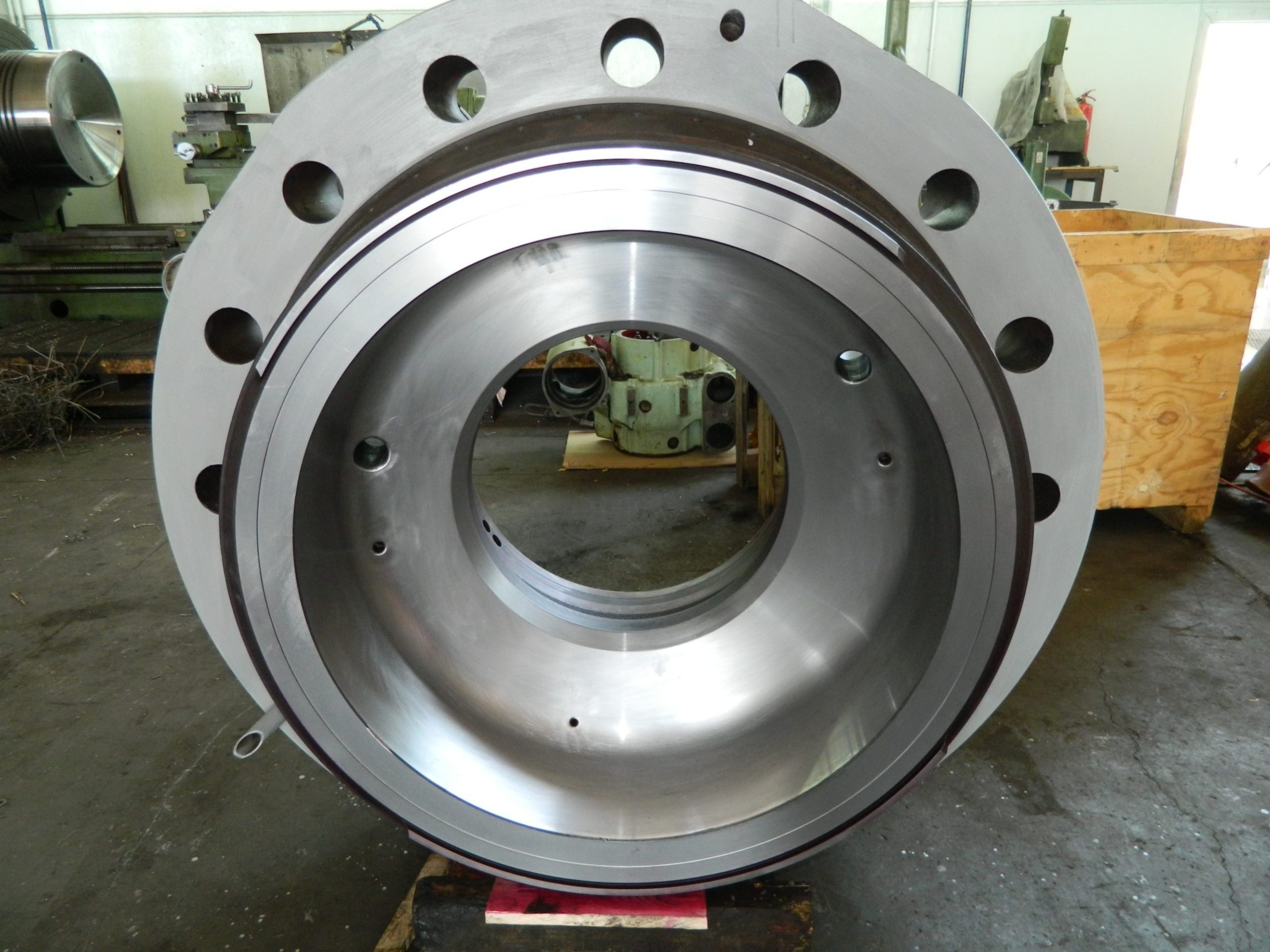
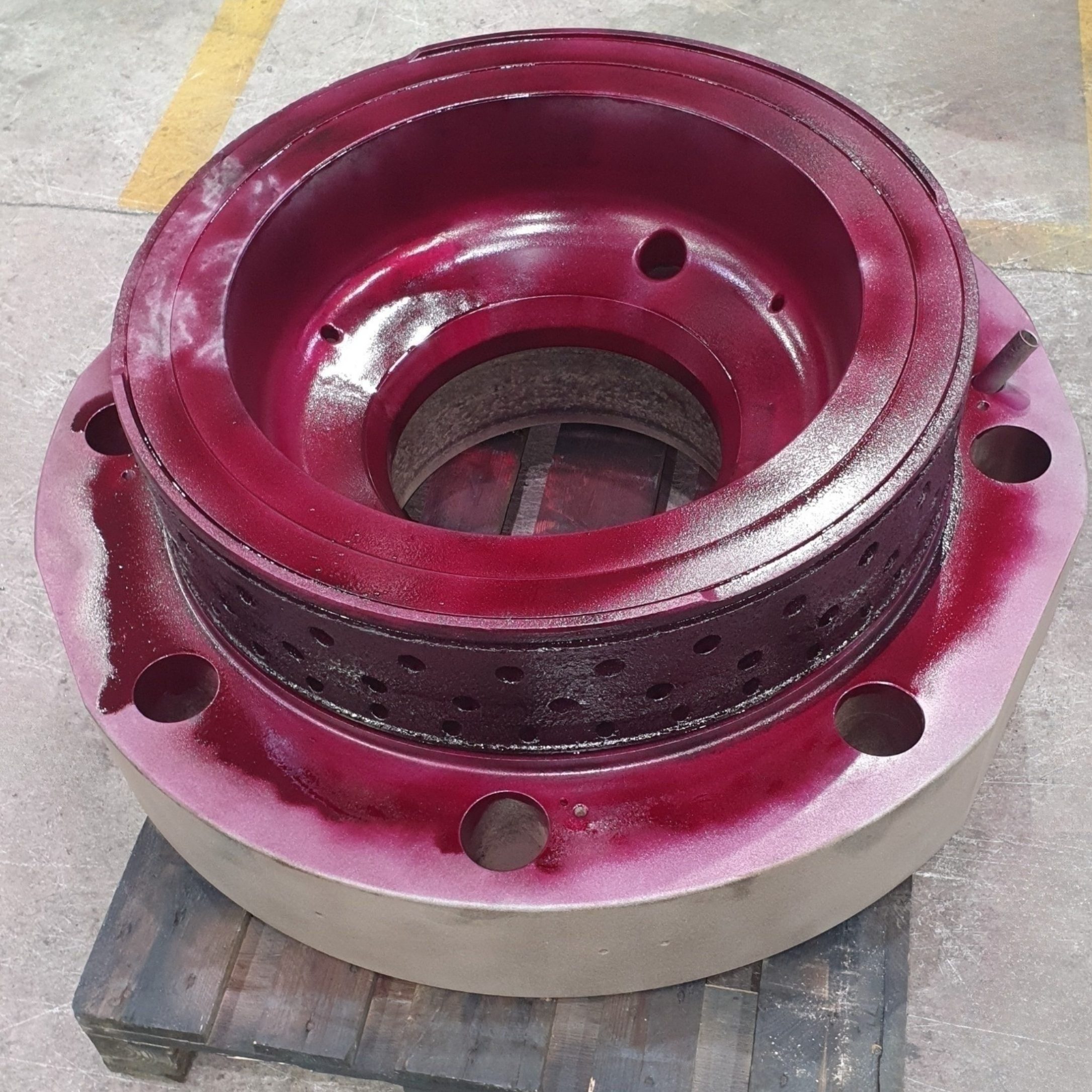
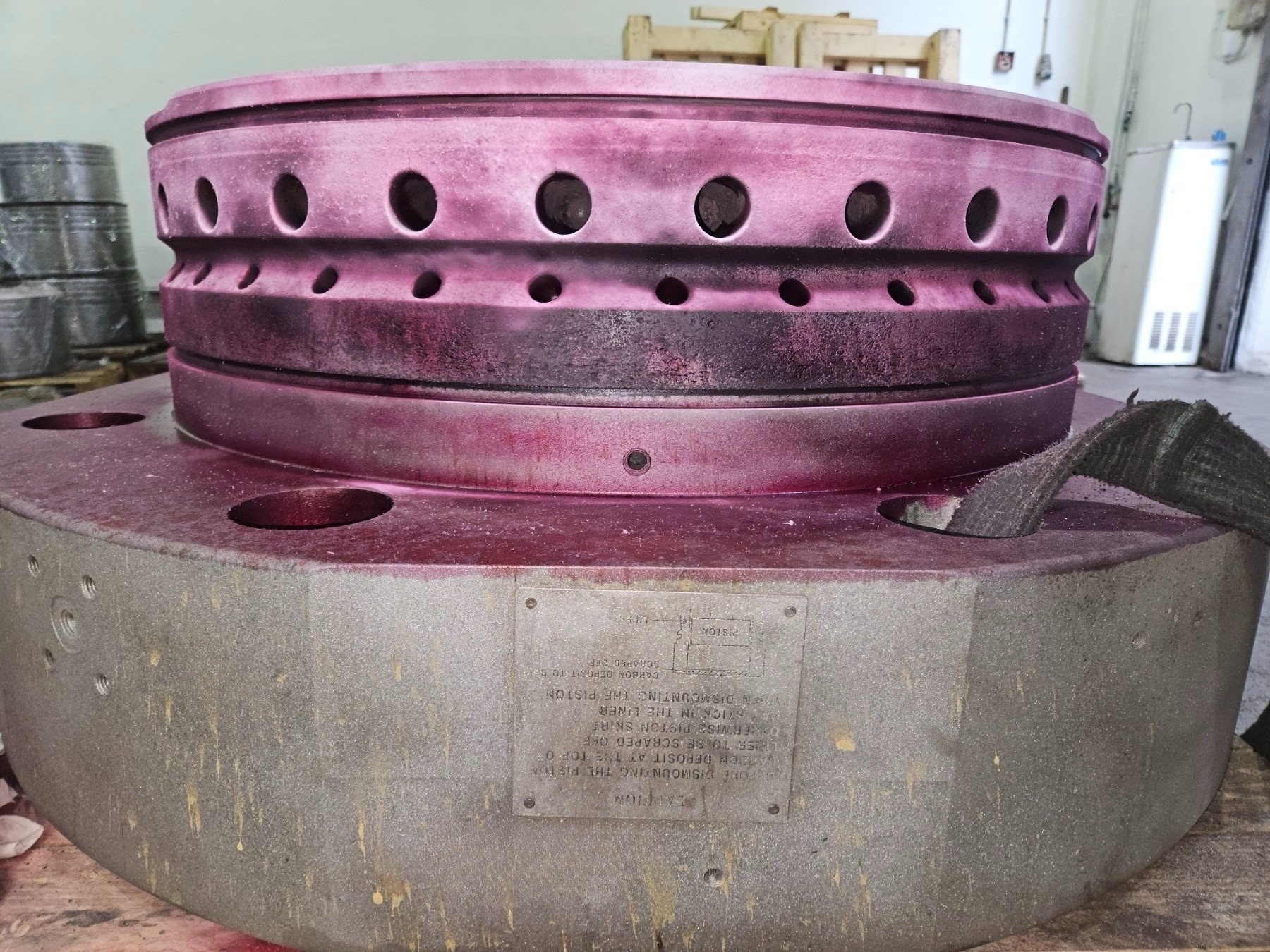
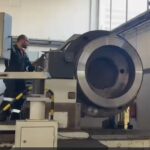
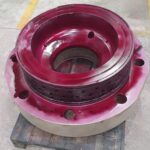
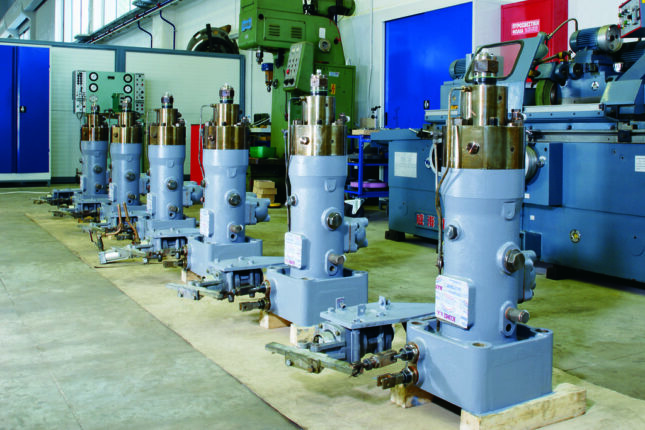
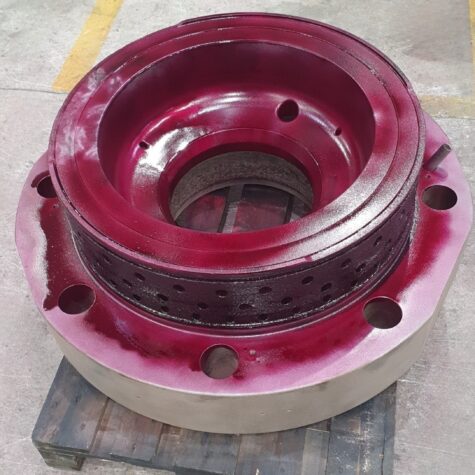
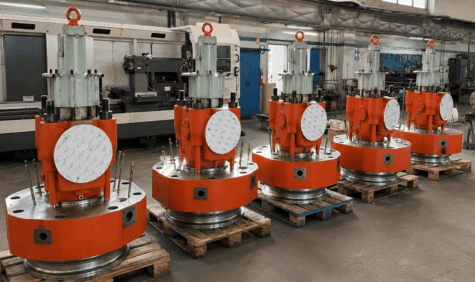
KIMI specializes in cylinder cover reconditioning and overhaul for 2-stroke diesel engines from MAN B&W, Sulzer, Mitsubishi, and other major OEMs. Using advanced repair techniques, we restore worn, cracked, or corroded covers to OEM specifications, extending service life and ensuring reliable engine performance.
For severely damaged units, our combustion surface rebuilding process restores components to zero-hour condition with full OEM compliance. Advanced non-destructive testing (NDT) detects both surface and internal defects, ensuring complete material integrity.
We address issues such as cracks, corrosion, erosion, and sealing surface damage, delivering precision machining, reduced downtime, and consistent, high-quality performance.




Customer Benefits

Rapid Turnaround

Cost – Efficient OEM Alternative

Full Compliance with OEM Standards
Cylinder Cover Reconditioning Process
NDT INSPECTION
NDT inspection by PCN Level II certified engineers
CRACK REPAIR SOLUTIONS
Repair of fuel valve bores, air starting valve bores or cooling jacket grooves
PRECISION WELDING & STRESS RELIEVING
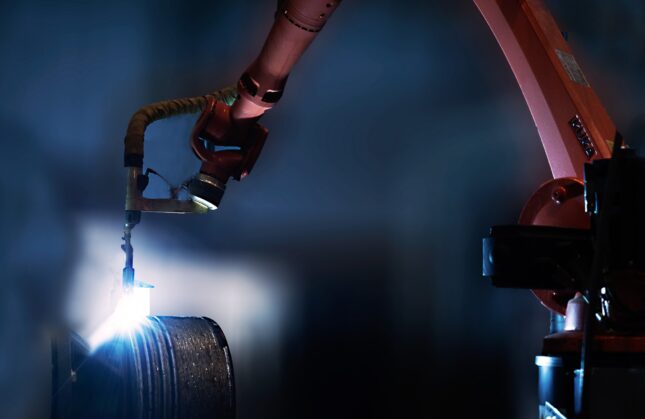
Precision welding and stress relieving in a controlled environment
CNC MACHINING
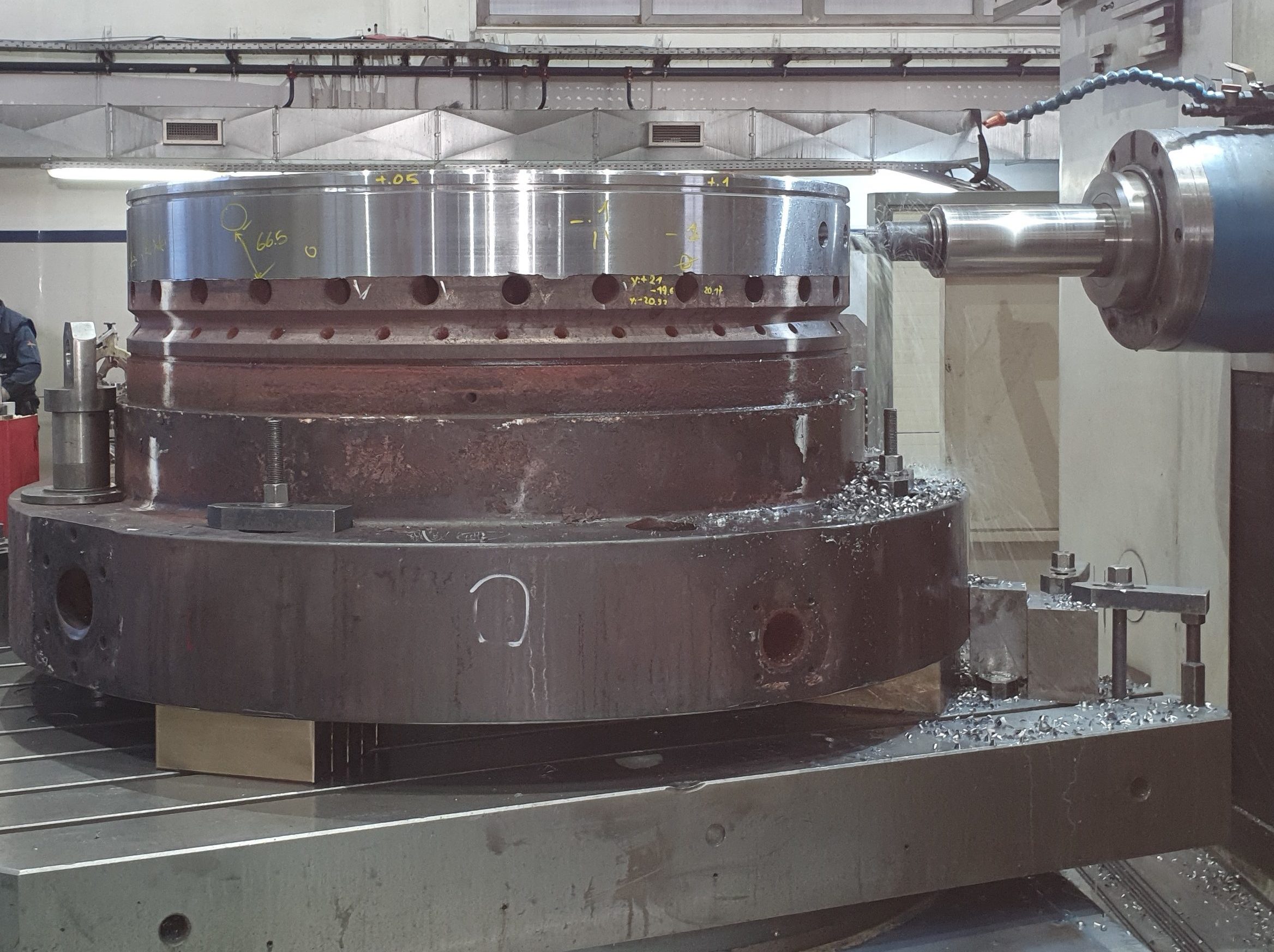
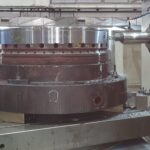
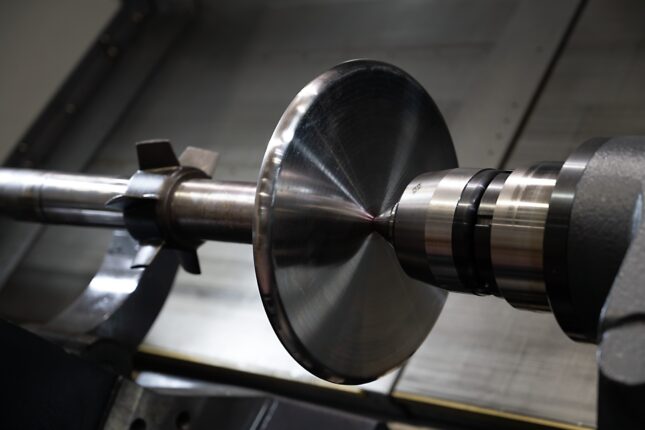
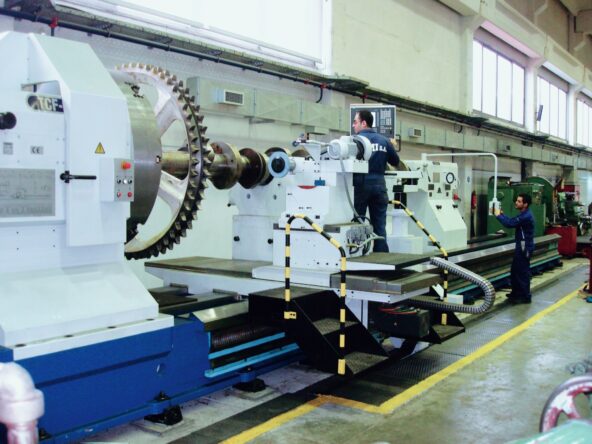
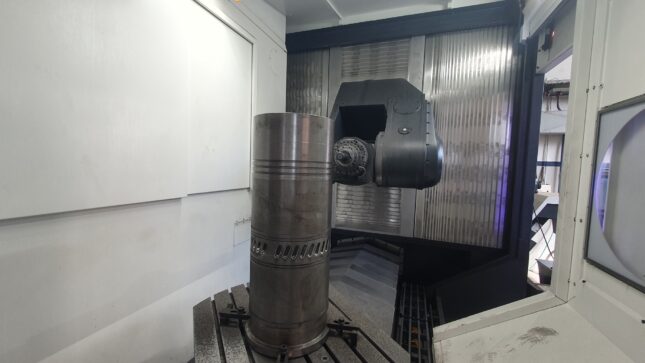
CNC machining of combustion face, landing areas and O-ring grooves
INCONEL LAYER APPLICATION
Inconel layer application in fuel injection areas.
COMBUSTION SURFACE REBUILDING
Full rebuilding if required, to reset service life to “zero hours”
QUALITY CONTROL
Inspections at every stage by PCN Level II personnel
FINAL QUALITY ASSURANCE
Final quality assurance ensures OEM standards quality
View more services


Case Studies
FAQs
KIMI can repair and recondition cylinder covers for most 2-stroke low-speed marine diesel engines used on vessels.
Typical engine makers serviced include:
• MAN Energy Solutions (MAN B&W two-stroke engines)
• WinGD (Sulzer-type engines)
• Wärtsilä 2-stroke engines
Through advanced precision machining, valve seat restoration, crack repair, and dimensional inspection, cylinder covers can be restored to OEM specifications, extending service life and providing a cost-effective alternative to replacement.
Typical repairs performed during 2-stroke cylinder cover reconditioning include:
• Machining and restoration of sealing surfaces
• Exhaust valve seat repair or replacement
• Fuel injector bore restoration and re-machining
• Crack detection and repair using approved welding procedures
• Restoration of cooling passages and threaded holes
• Precision dimensional inspection to verify OEM tolerances
These operations restore the structural integrity and correct geometry of the cylinder cover, ensuring reliable engine operation and proper combustion performance.
In many cases, reconditioning is the most cost-effective solution. Repairing a cylinder cover restores the component to OEM tolerances while avoiding the high cost and long lead times associated with new replacements.
When properly engineered and installed, repaired cylinder covers can provide long-term reliability comparable to that of original components. KIMI follows strict OEM specifications and approved repair procedures, including controlled welding, precision machining, and post-repair heat treatment (annealing).
The annealing process is critical because it relieves internal stresses generated during welding and repair operations, restoring the material’s structural stability. Combined with thorough inspection and dimensional verification, these procedures ensure that the repaired cylinder cover can safely return to service with durability and operational reliability.
Proper inspection of 2-stroke marine engine cylinder covers is essential to detect defects such as cracks, material fatigue, erosion around valve seats, and deformation of sealing surfaces. If these issues are not identified early, they may lead to combustion leakage, reduced engine efficiency, or serious engine damage.
Inspection must be carried out by certified personnel using approved quality control procedures. KIMI performs comprehensive inspections that typically include visual inspection, dimensional measurement of sealing surfaces, non-destructive testing (NDT) such as PT or MT, and detailed inspection of valve seats and injector bores. These checks ensure that the cylinder cover meets all safety, structural, and operational requirements before it is returned to service.