Project Snapshot
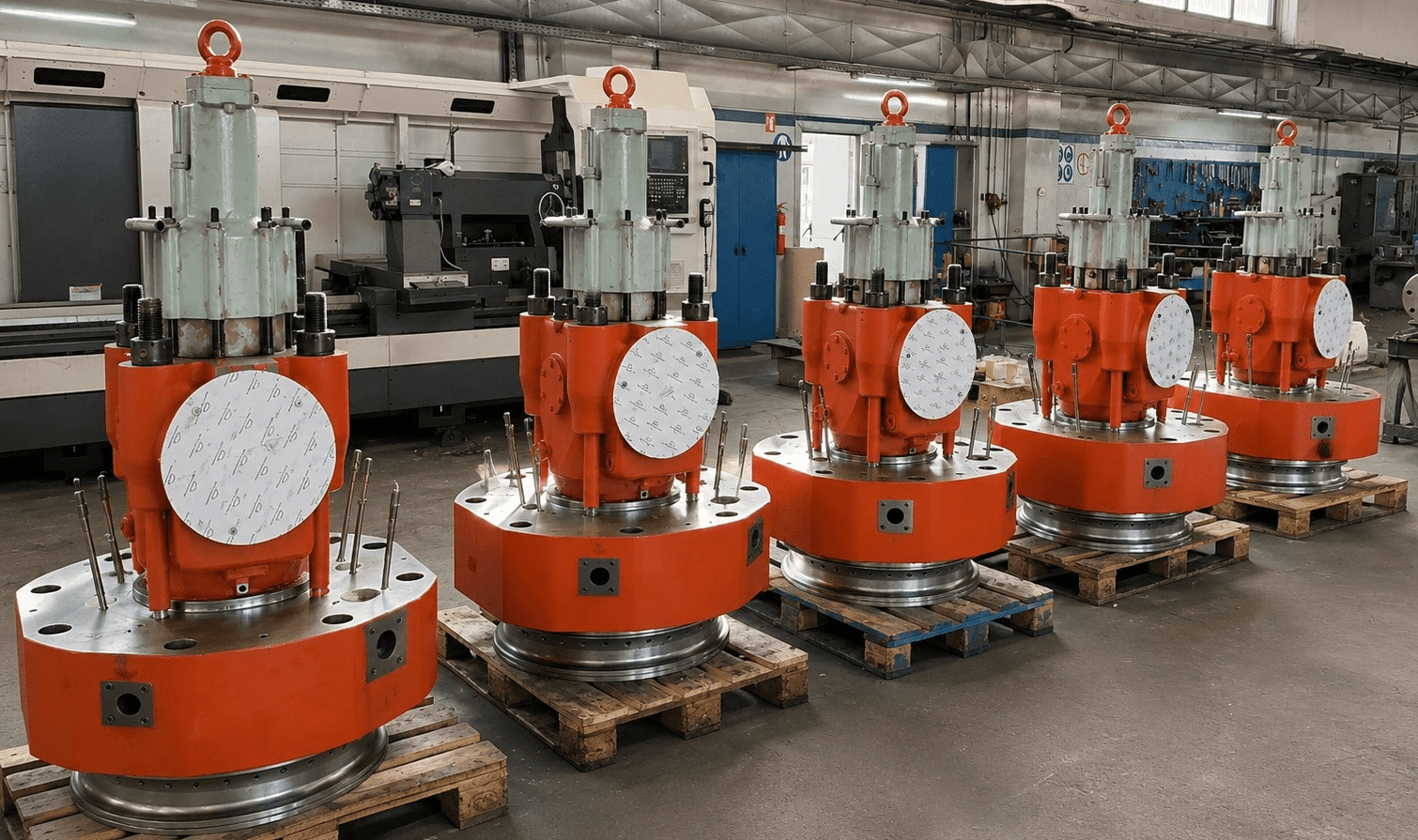
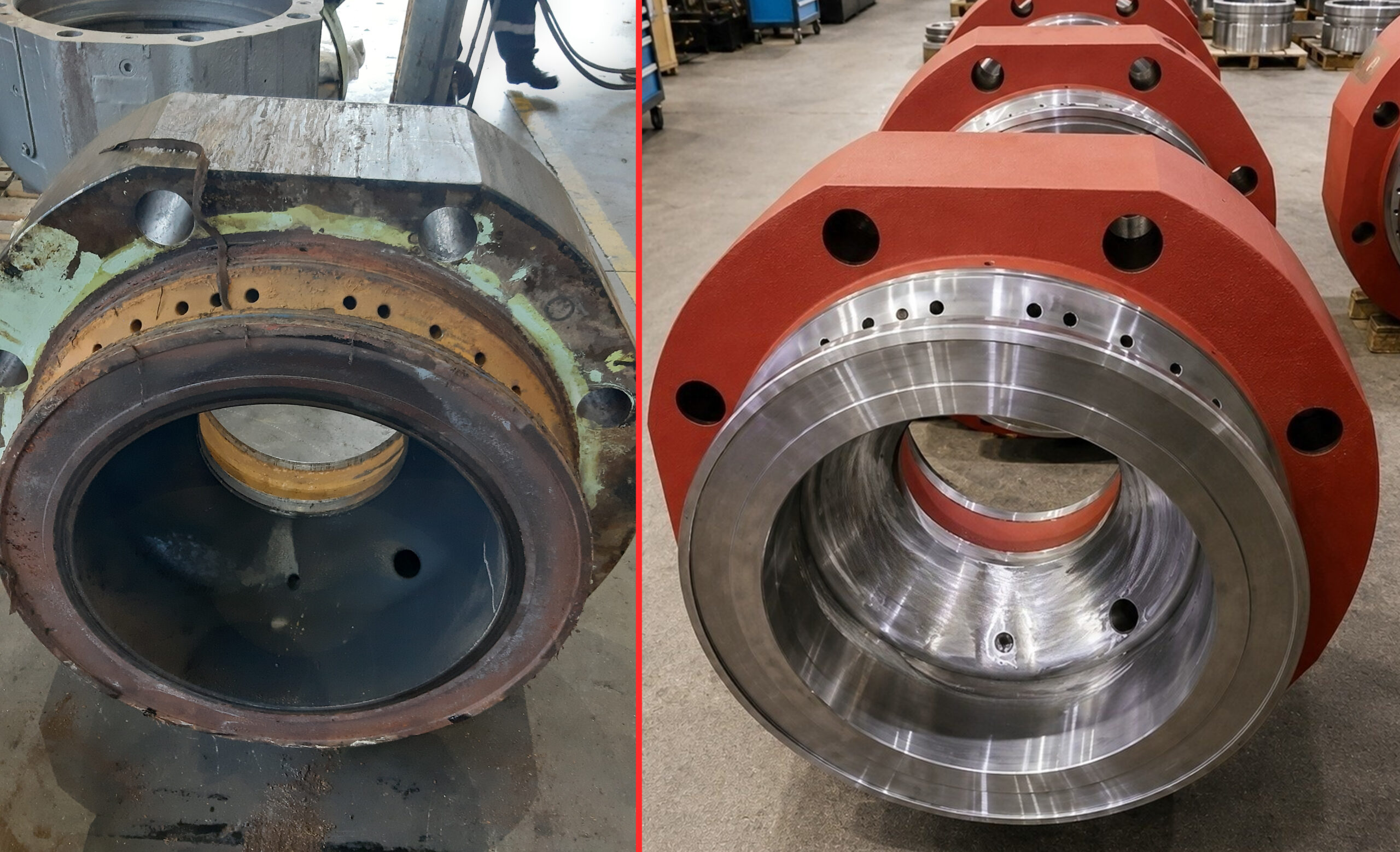
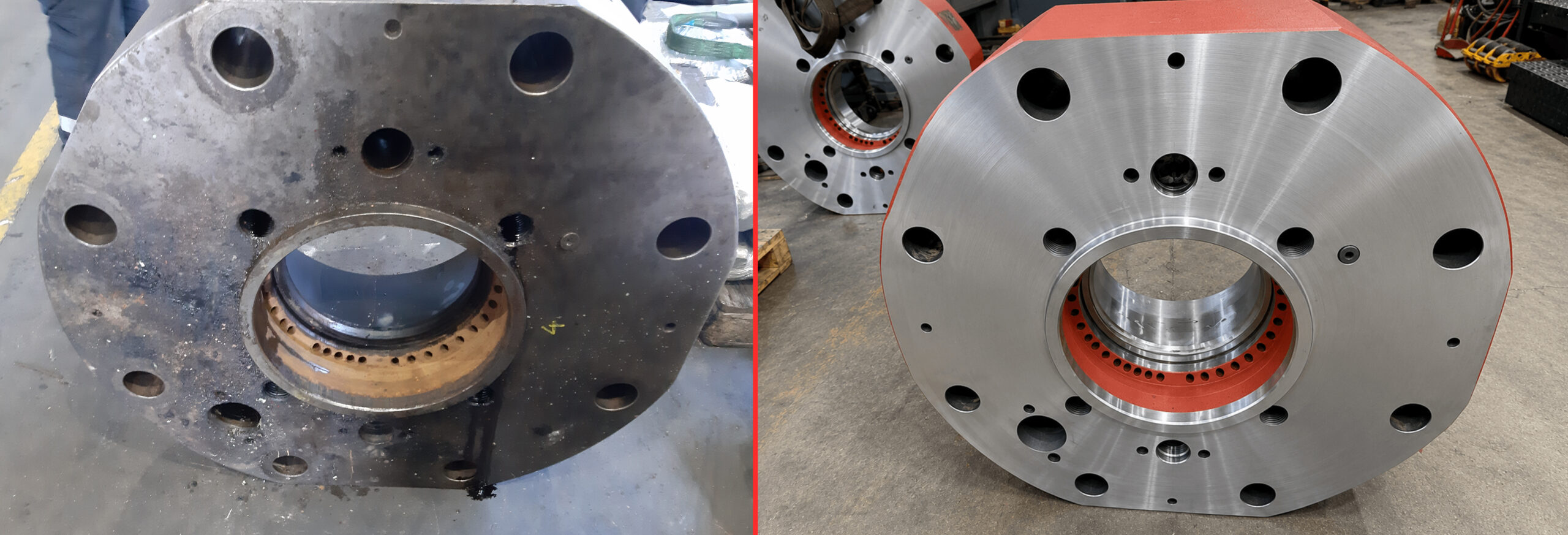
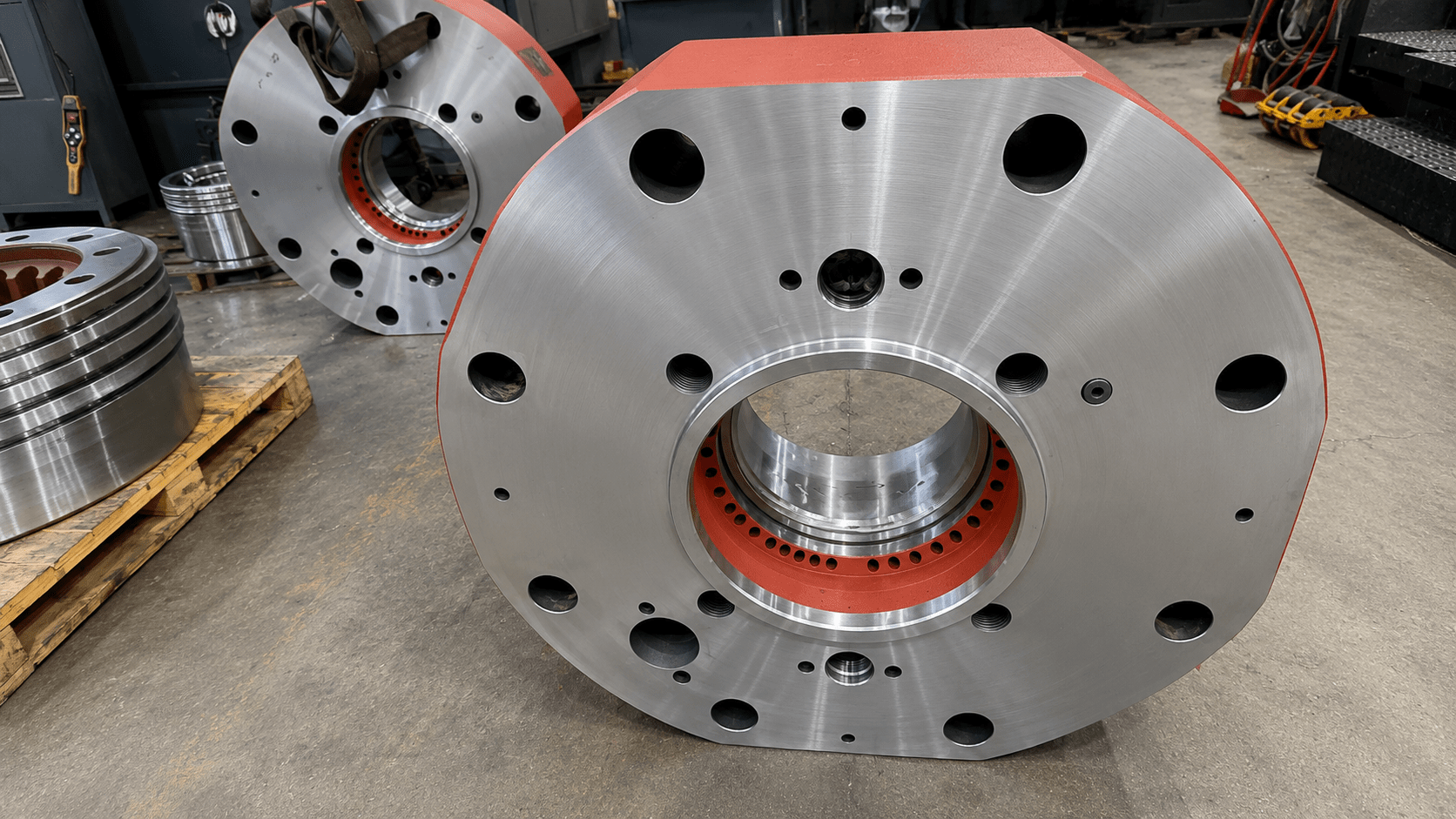
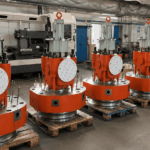
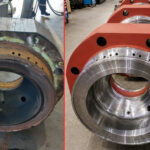
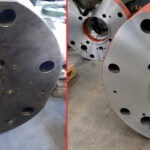
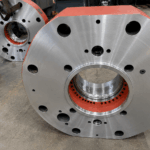
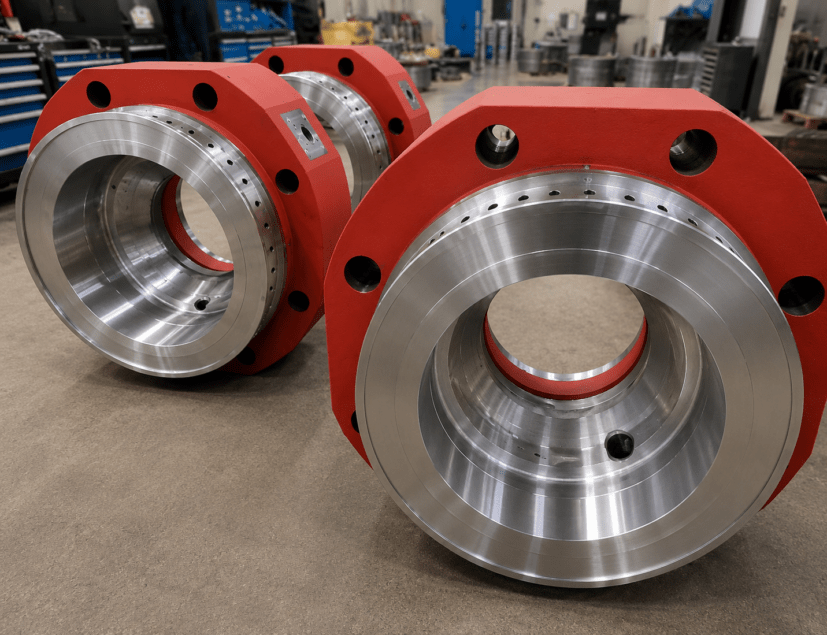
During a scheduled MAN B&W 5S60MC-C overhaul, five cylinder covers were removed with thermal fatigue, combustion-chamber erosion, worn valve and injector seats, and cooling-water corrosion. KIMI fully reconditioned them in-house using certified welding, precision CNC machining and final quality control, restoring all covers to OEM dimensions for the next service cycle.
Complex Reconditioning & Engineering Challenges
Although all five cylinder covers belonged to the same engine, each component exhibited different defects and levels of wear, requiring an individually tailored repair scheme. Maintaining consistent geometry, sealing performance, and dimensional accuracy across all five covers was essential to ensure proper engine operation after reassembly.
The Main Challenges Included
Thermal-fatigue cracks in high-temperature combustion areas.
Combustion-chamber erosion.
Worn exhaust-valve pockets and injector seating surfaces.
Restoration of critical sealing surfaces to OEM tolerances.
Complete Cylinder Cover Reconditioning Process
INITIAL INSPECTION & NDT
Each cylinder cover underwent visual, dimensional and NDT damage inspection.
CLEANING & DAMAGE REMOVAL
All surfaces were cleaned, and damaged material was removed for restoration.
CERTIFIED WELDING REPAIRS
Damaged areas were rebuilt using approved welding and compatible materials.
PRECISION CNC MACHINING
Damaged areas were restored using approved welding, suitable filler materials and heat treatment where required.
VALVE SEAT GRINDING & SURFACE FINISHING
Valve and injector seats were precision-ground and verified for sealing.
FINAL INSPECTION & QUALITY ASSURANCE
Each cover passed the final dimensional, NDT and pressure testing.
Project Achievements
✔ Five cylinder covers restored to OEM specifications at significantly lower cost than new replacements.
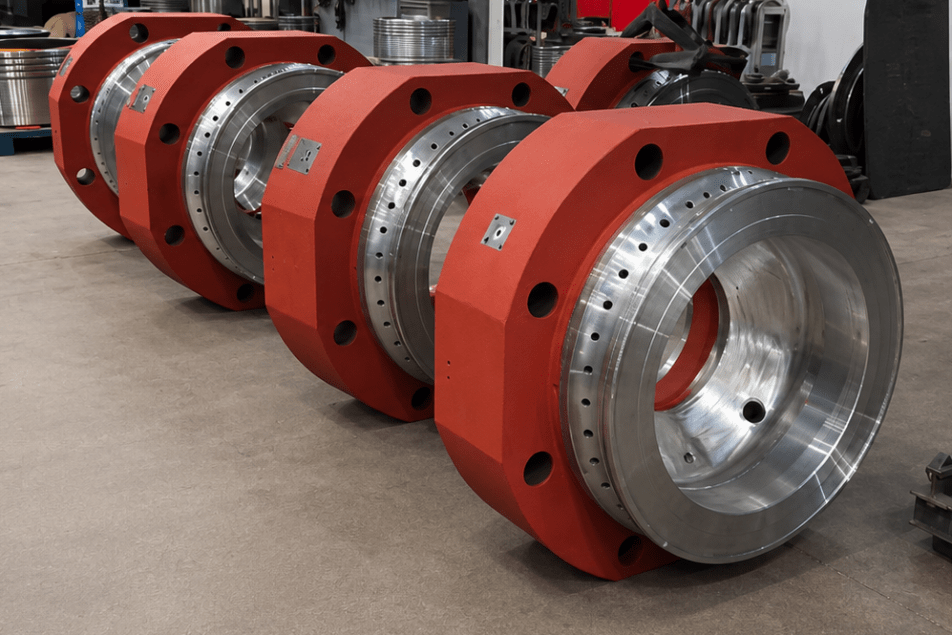
✔ Critical combustion and cooling geometries restored with consistent dimensional accuracy across all five cylinder covers.
✔ Reliable sealing and cooling-water integrity confirmed through final testing.
✔ Reduced vessel downtime by completing the repairs within the scheduled overhaul period.
✔ Extended component service life through comprehensive reconditioning.
Why Rely on KIMI
Every cylinder cover reconditioned by KIMI undergoes a fully controlled engineering process combining advanced repair technologies, certified inspection, and precision machining. From the initial condition assessment to final quality inspection and approval, every stage is performed in-house to ensure full traceability, repeatable quality, and reliable long-term performance.

In-house inspection, repair, machining, testing and quality assurance capabilities.

OEM-level tolerances restored across all critical geometries and sealing areas.

Certified Quality ensured through ISO 17025 support and PCN Level II inspections.

Cost-effective reconditioning extends service life while reducing lead time and downtime.