Connecting Rod Reconditioning
Precision Grinding & Restoration for Big-End Bores
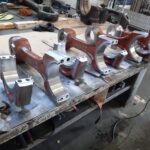
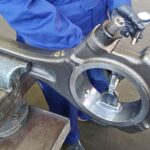
Connecting rods in 4-stroke marine engines operate under extreme reciprocating loads, making them highly susceptible to ovality, surface cracking, serration wear, and thermal damage, particularly at the big-end bore and small-end bush.
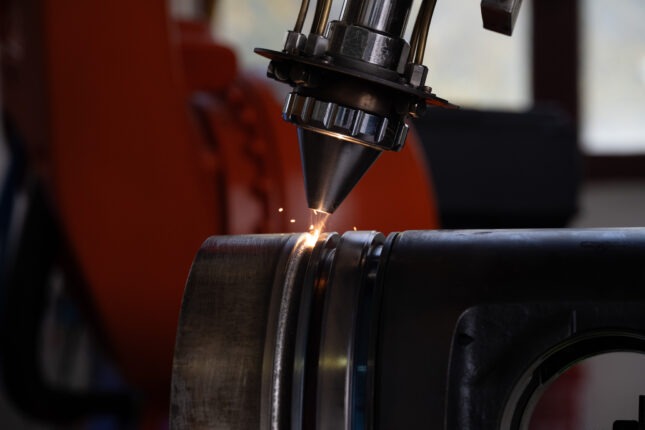
At KIMI, we provide precision reconditioning for all major 4-stroke engine types, restoring critical geometries, tolerances, and surface integrity to OEM specifications. Our process includes detailed inspection, dimensional verification, controlled grinding, precision machining, and certified non-destructive testing. Special attention is given to bearing seating, alignment, and load distribution, ensuring optimal performance under operating conditions. The result is improved durability, reduced wear, and reliable long-term engine operation.



Customer Benefits:

Reduced Engine Downtime

Cost-Effective Component Recovery

Level II Certified Inspection & Quality Control
Connecting Rod Reconditioning Procedure
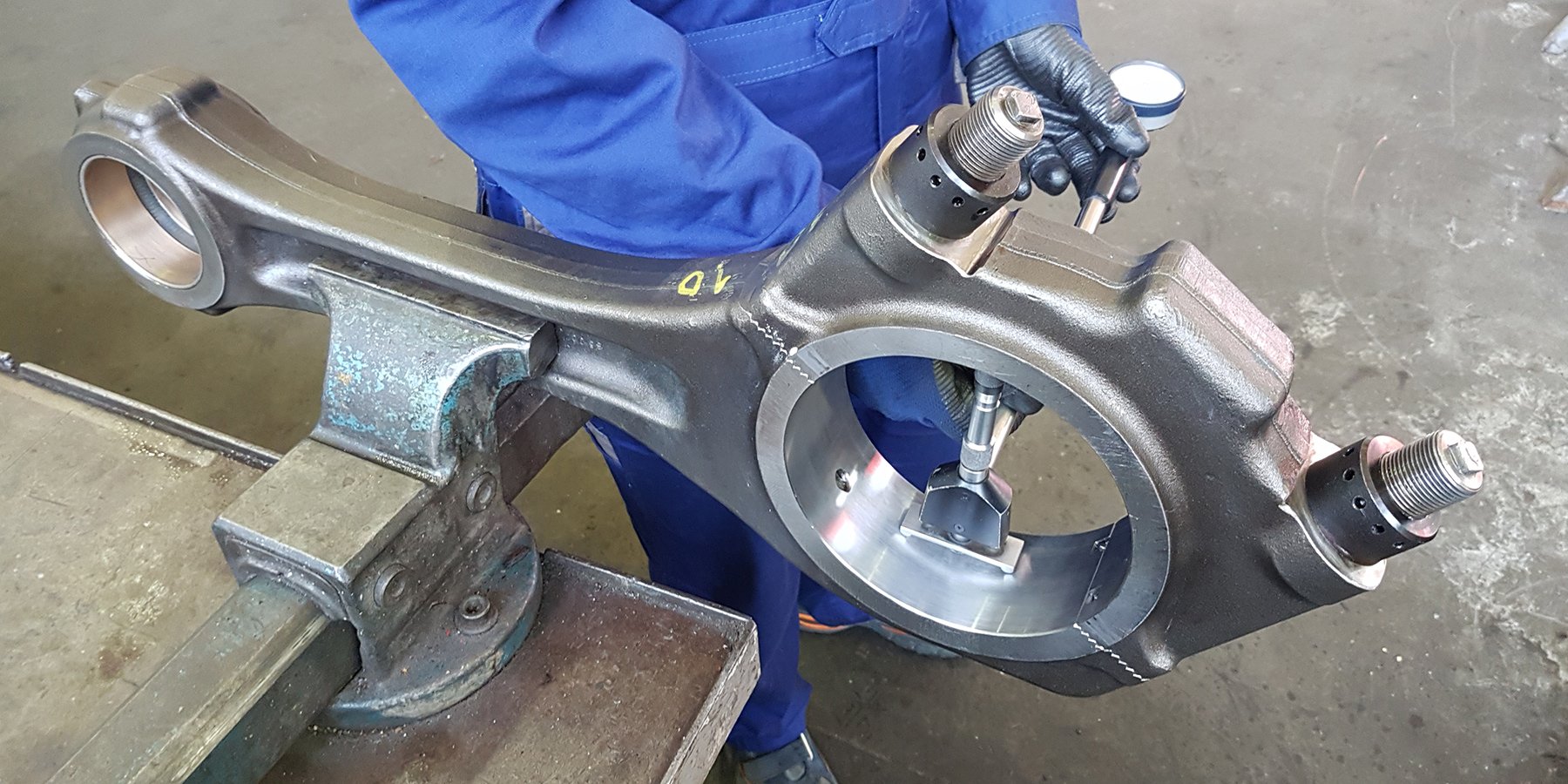
INITIAL DIMENSIONAL INSPECTION
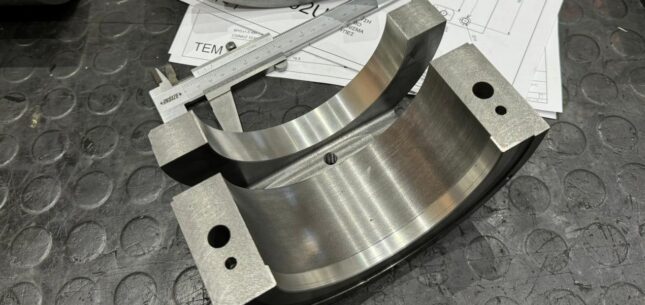
Precision measurements are conducted for condition verification with comprehensive reporting
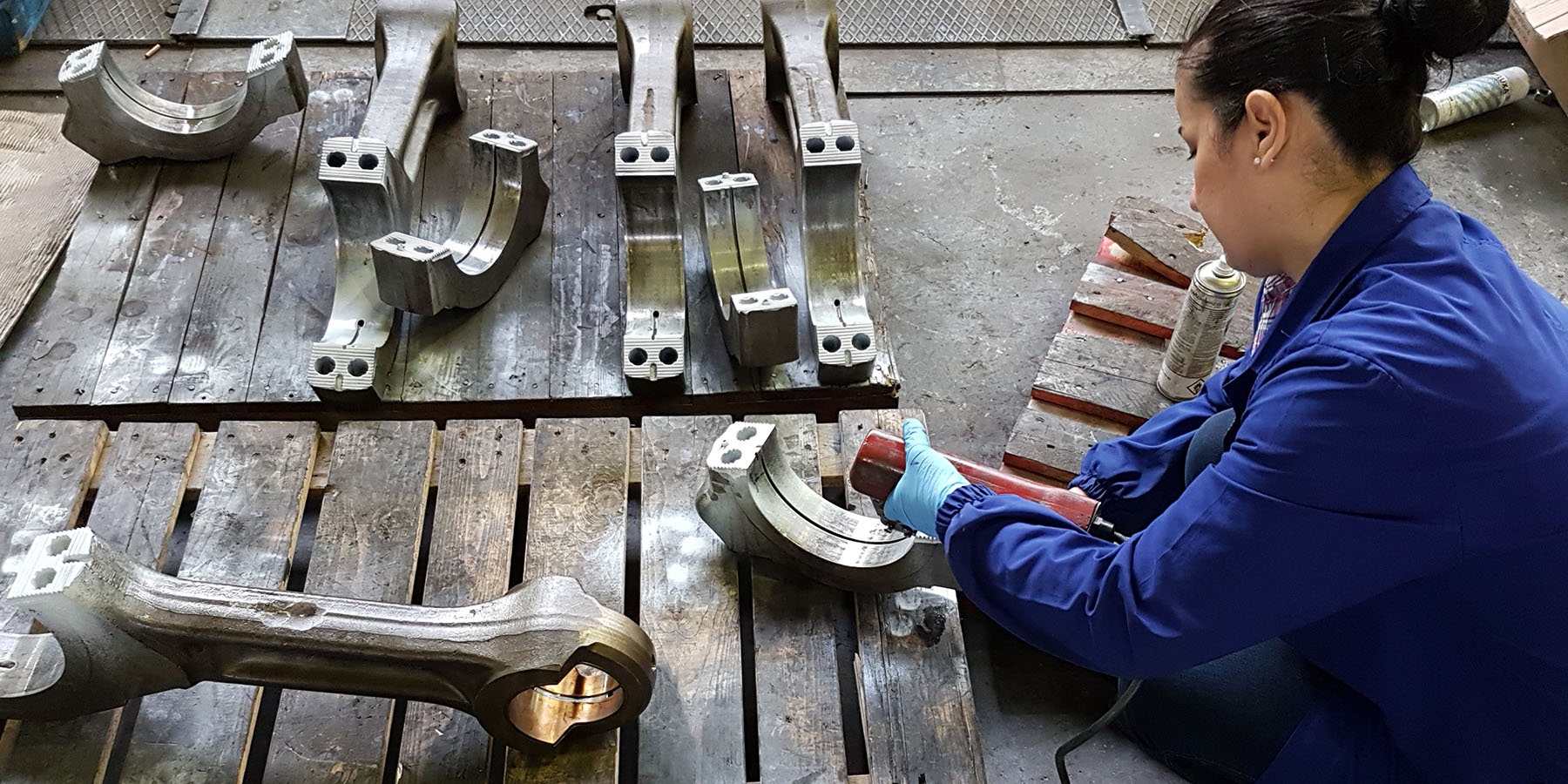
MAGNETIC PARTICLE TESTING (MPI / MAGNAFLUX)
Crack detection is carried out on serrations and critical load zones
BIG-END BORE RESTORATION
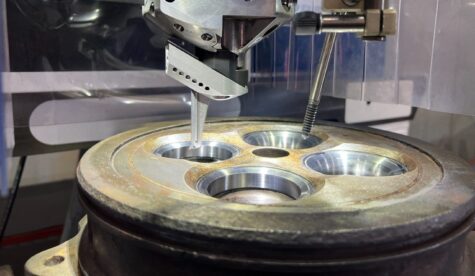
Precision grinding restores bore diameter to OEM specification eliminating ovality
SMALL-END BUSH REPLACEMENT
Bushes are removed and installed to ensure a correct fit and load distribution
FINAL DIMENSIONAL CHECK & NDT
Final verification by PCN Level II personnel ensures compliance with OEM tolerances and structural integrity
View More Services


Case Studies & News
FAQs
The process includes dimensional inspection, crack detection (Magnaflux/MPI), big-end bore restoration through precision grinding, small-end bush replacement, and final inspection with non-destructive testing to ensure full OEM compliance.
Common issues include ovality, serration wear, thermal damage and deformation, especially in the big-end bore and small-end bush areas.
The big-end bore is restored using high-precision grinding to eliminate ovality and return the bore to its original OEM diameter, ensuring correct bearing fit and alignment.
KIMI uses advanced precision grinding machines to achieve the highest accuracy in big-end bore restoration. Crack detection, Magnaflux, is carried out by Level II certified personnel, and the entire process is handled in-house, ensuring end-to-end service with short lead times.