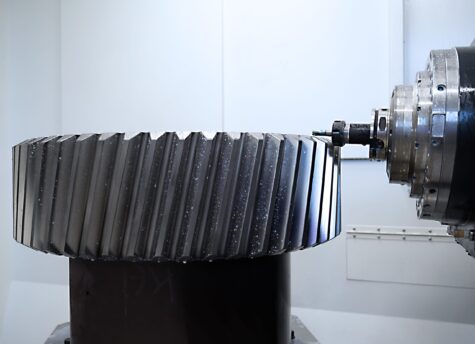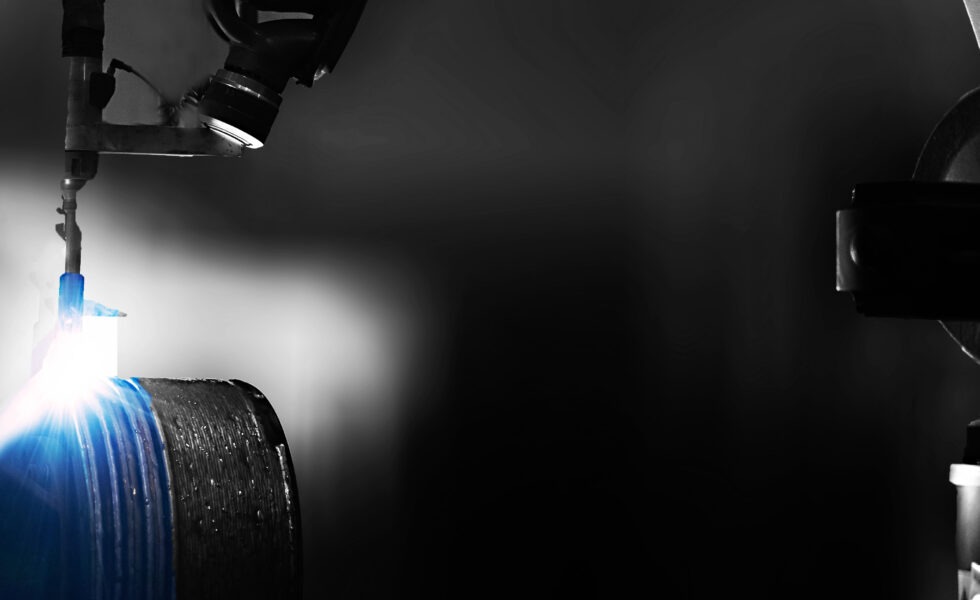
- 4x MORE Precise micron-level geometry accuracy
- 99.8% Repeatability for guaranteed rebuild quality
- 100% Full automation Human-Free Quality
- 24/7 7+Robots running for non-stop capacity
Where Damage Typically Occurs in Piston Crowns
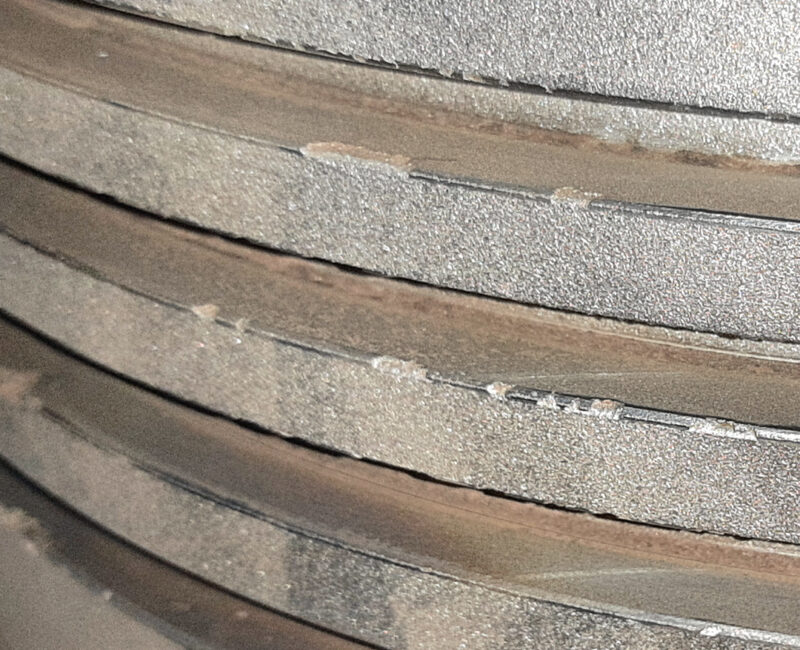
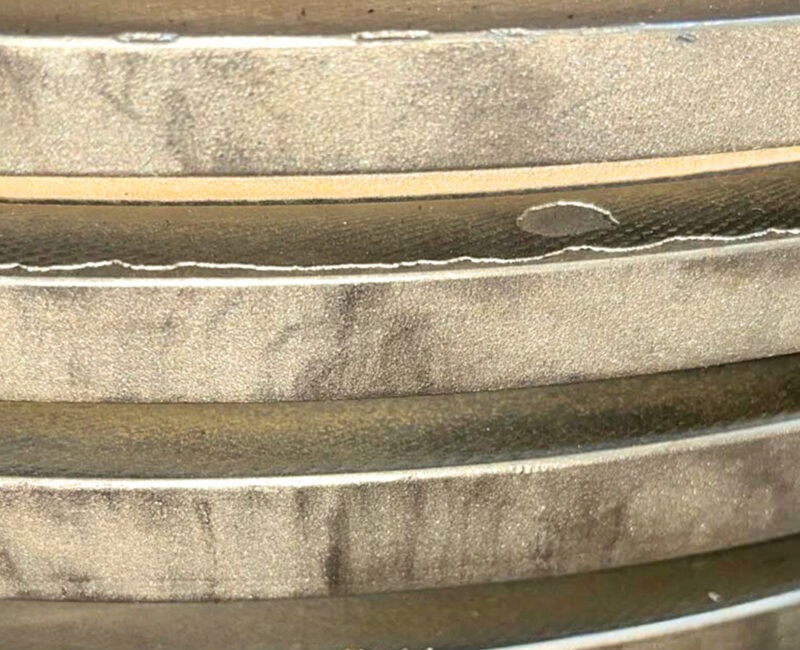
Material Loss
Progressive wear and thinning of the groove, often worsened by poor reconditioning accuracy, reduce sealing efficiency, increase blow-by, and elevate oil consumption.
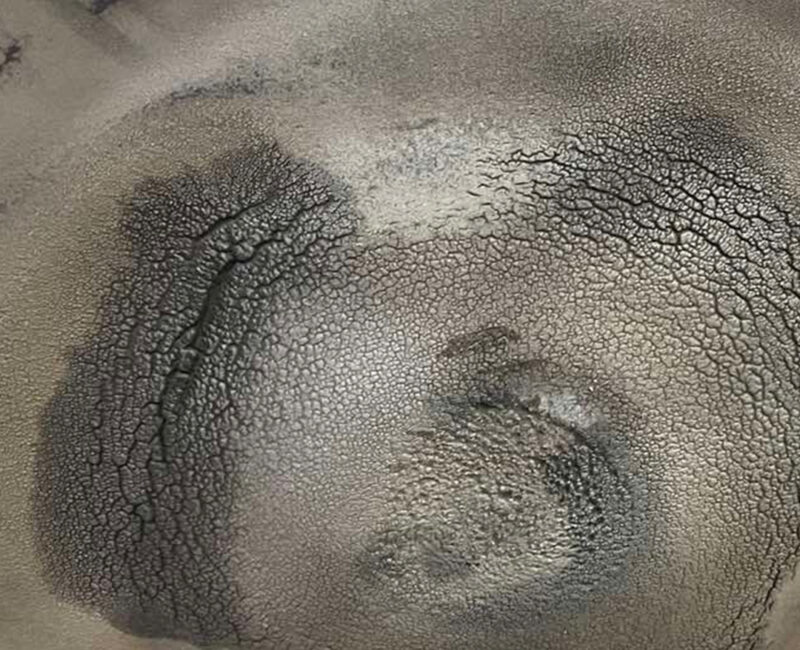
Thermal Fatigue Cracks
Cracks form around the combustion bowl and fire land due to extreme temperature cycling.
In Inconel-clad crowns, insufficient Inconel thickness accelerates crack initiation and propagation, reducing crown life.
Insufficient Chrome Plating
Applying a thinner chrome layer during reconditioning (common practice <0.30 mm) reduced hardness, poor ring sealing, and a significantly shorter piston crown service life.
Ring Groove Chrome Plating – KIMI’s Competitive Advantage
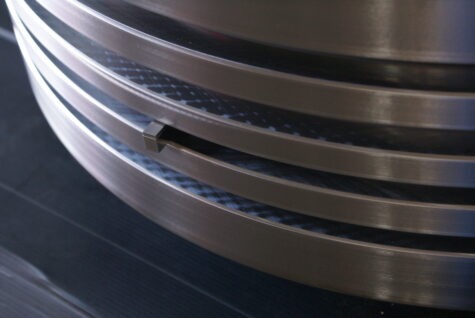
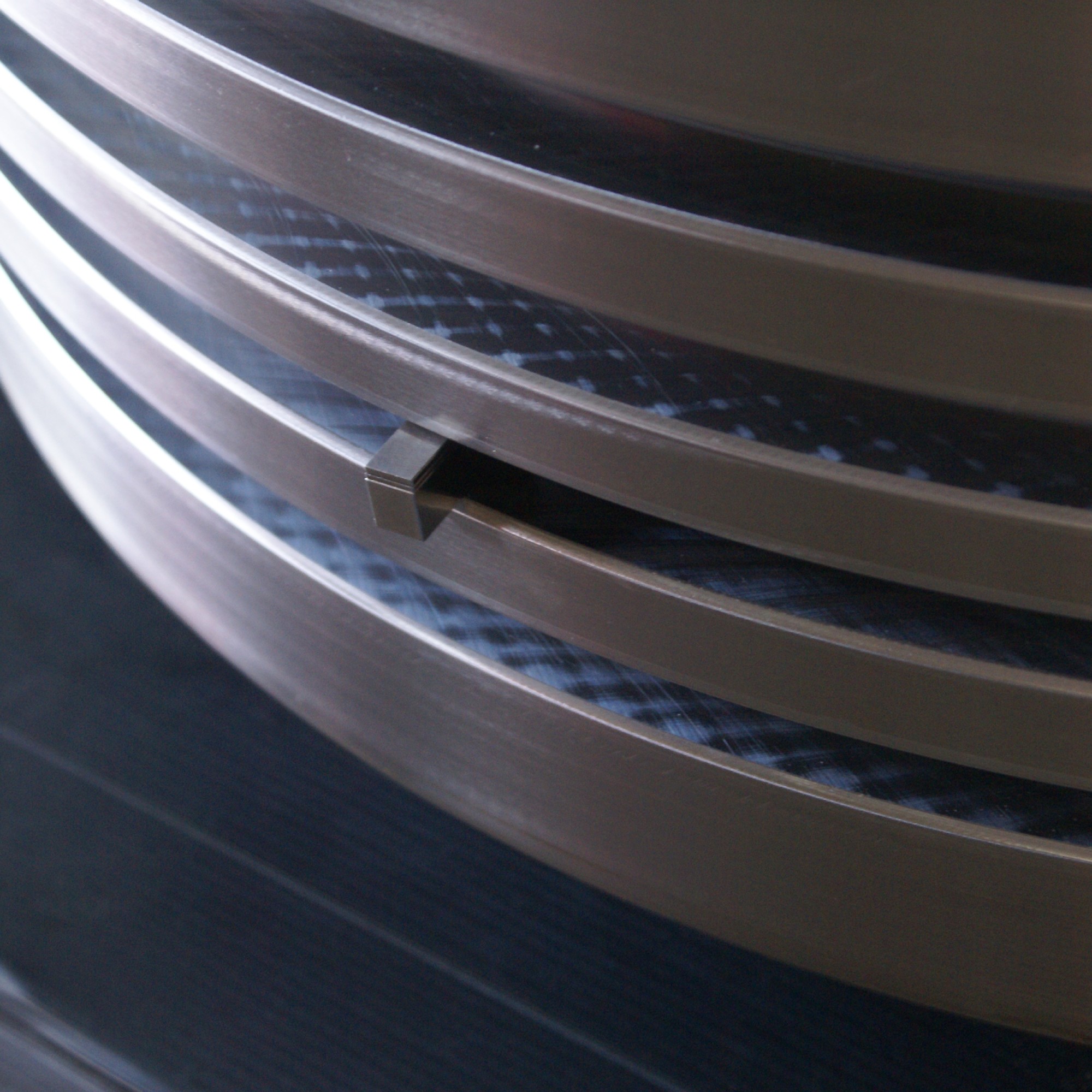
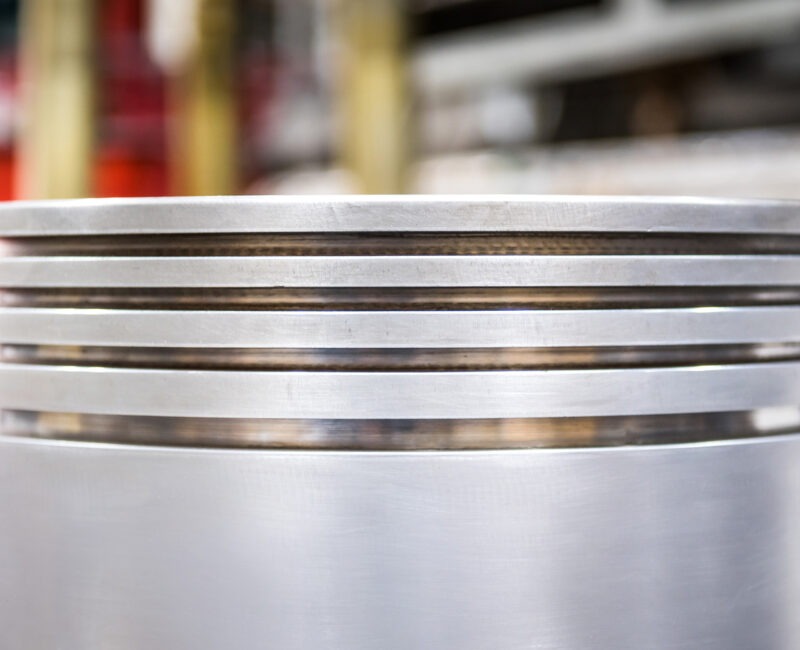
KIMI applies a 0.50 mm hard-chrome layer to each groove side, ensuring optimal bonding strength, high hardness, and a wear-resistant surface that delivers an “as-new” fit and performance. This 0.50 mm thickness is essential to achieve 20,000+ hours of reliable piston crown operation.
In contrast, thinner chrome layers (0.10-0.30mm) cannot maintain OEM-level durability. They quickly lead to increased ring-side clearance, higher blow-by, loss of sealing efficiency, and premature failure in less than 10,000 hours— increasing long-term maintenance costs.
Customer Benefits

Guaranteed Performance for 20,000 Operating Hours

20–40% Lower Reconditioning Cost, engine type dependent

50% faster turnaround