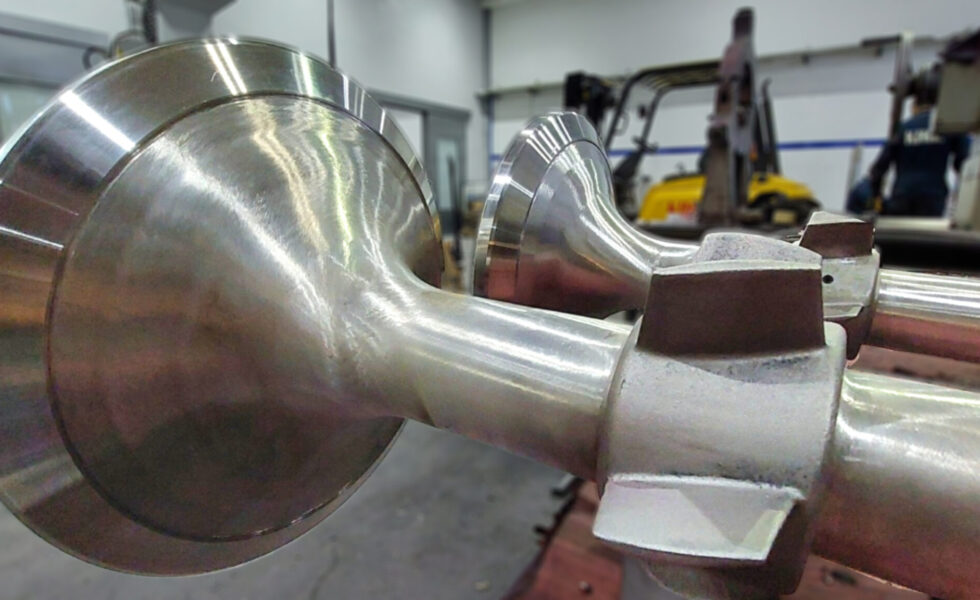
Common Exhaust Valve Defects Observed During Engine Operation
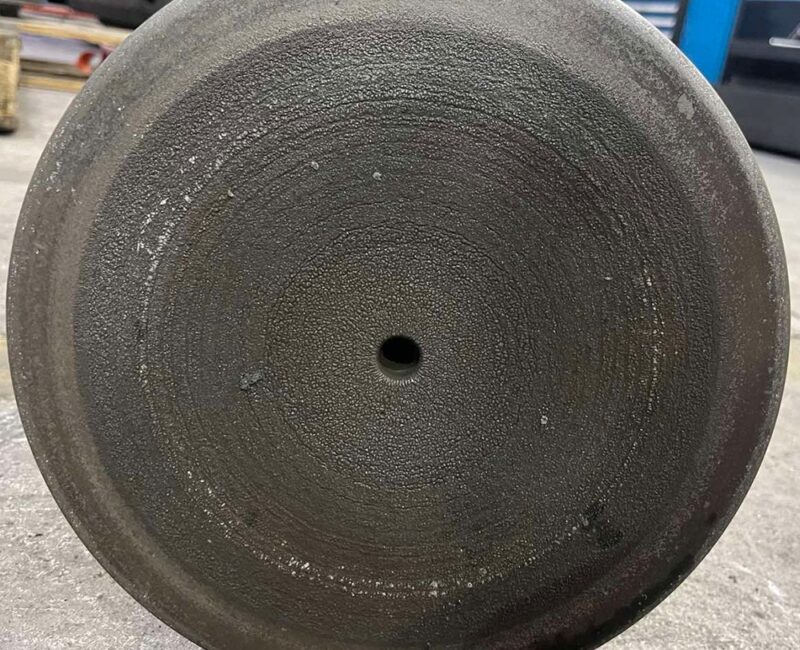
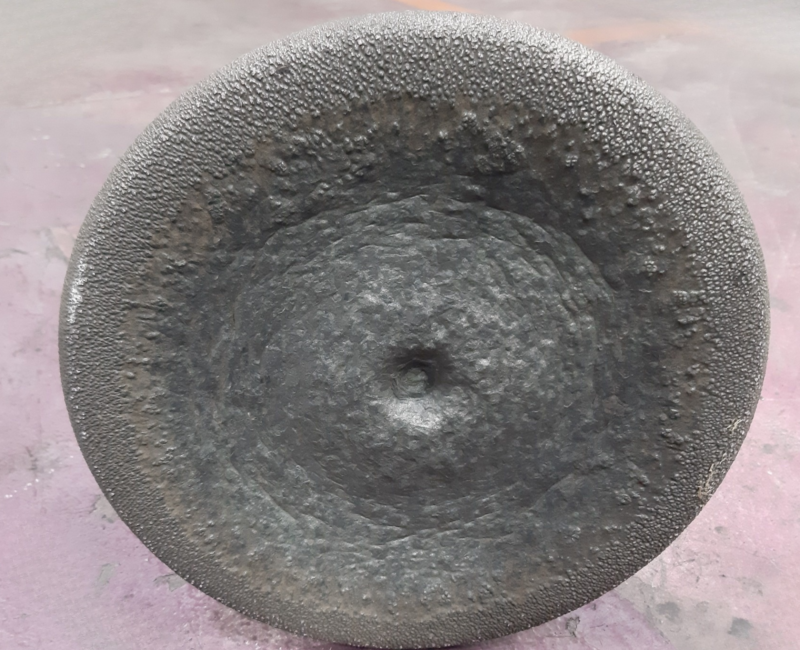
Based on workshop findings and fleet experience, the most frequent defects include:
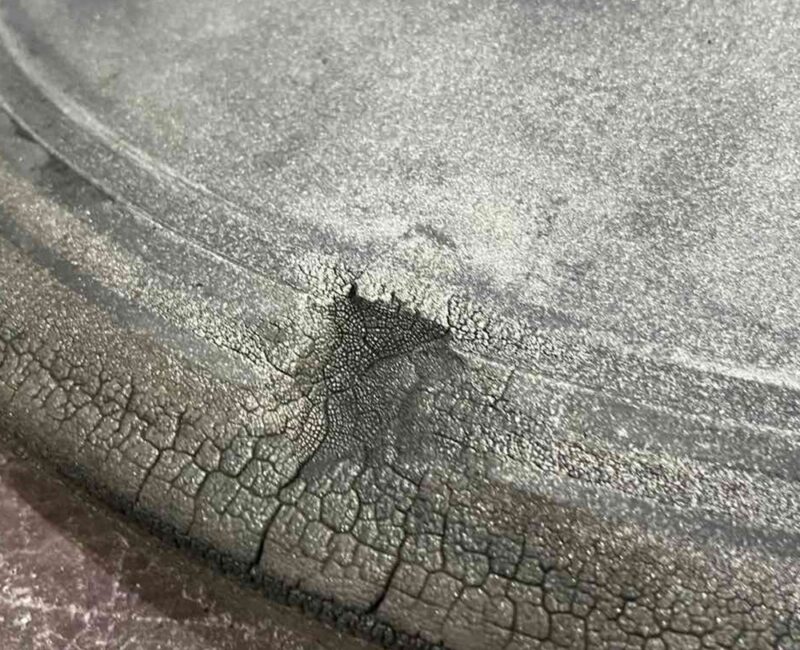
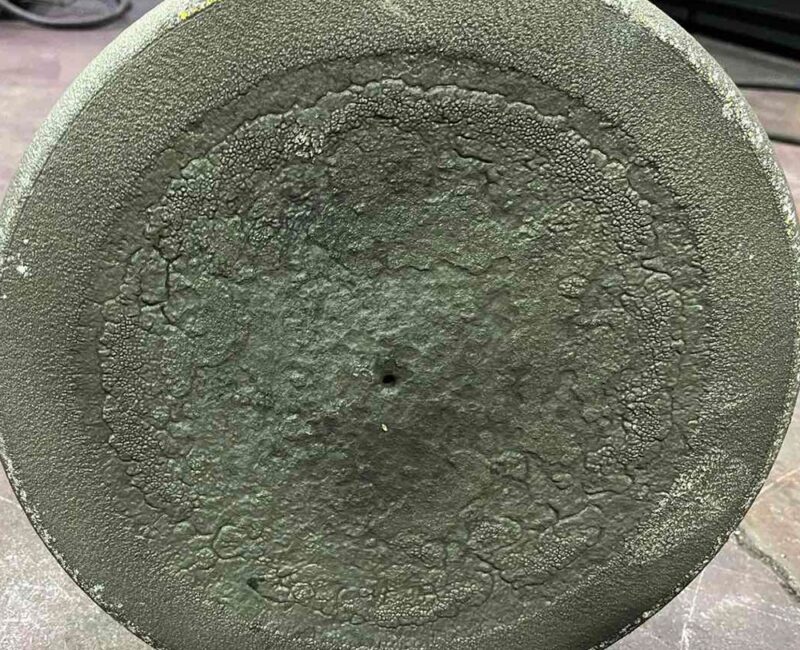
- Severe burn-off on the valve face: caused by excessive thermal loading, poor heat transfer, or incorrect overlay material.
- Cracks in the valve disc: thermal fatigue or a mismatch in thermal expansion between the base material and the weld overlay.
- Blow-by and seat leakage: due to incorrect seat geometry, poor surface finish, or loss of concentricity after grinding
- Premature failure after overhaul: Typically linked to metallurgical incompatibility rather than engine operation
Why Reconditioning Quality Determines Valve Lifetime
What is often overlooked is that most failures are not caused by operation alone, but by weaknesses introduced during reconditioning.
The following factors require strict control, as they play a crucial role in final quality and service performance:
- Base Material Identification
Exhaust valves may be DuraSpindle, DSA, Nimonic, Stellite-based, or previously repaired with unknown alloys. - Compatible Filler Material Selection
Preventing cracking due to internal stresses and burn-off caused by thermal expansion mismatch. - Controlled Heat Input During Welding
Excessive or inconsistent heat alters the microstructure and reduces high-temperature strength. - OEM-Compliant Seat Geometry & Surface Finish
Even small deviations can cause blow-by and accelerated damage. - Critical defects cannot be seen with the Naked eye
Without proper non-destructive testing and traceable inspection, defects remain hidden until failure occurs in operation.
How KIMI Delivers OEM Quality Level at Industry-Leading Cost
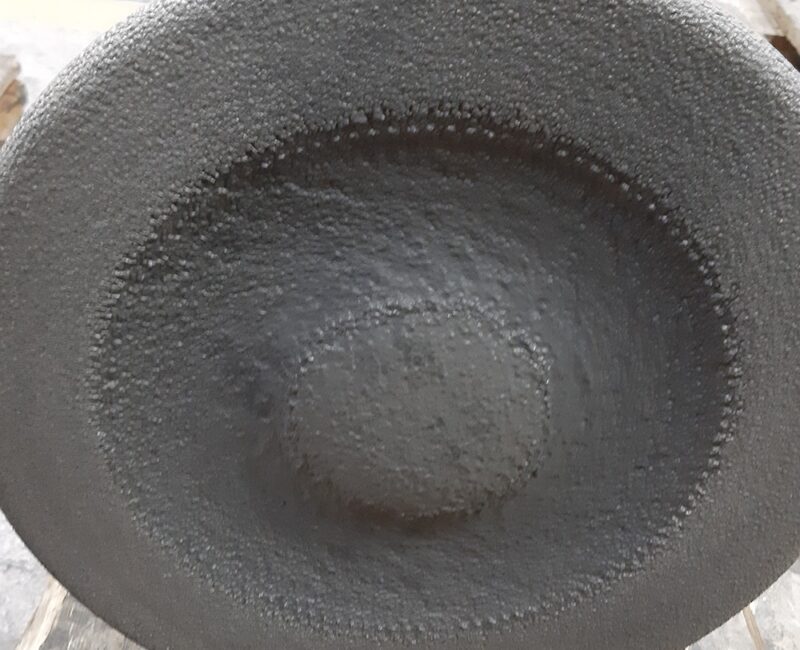
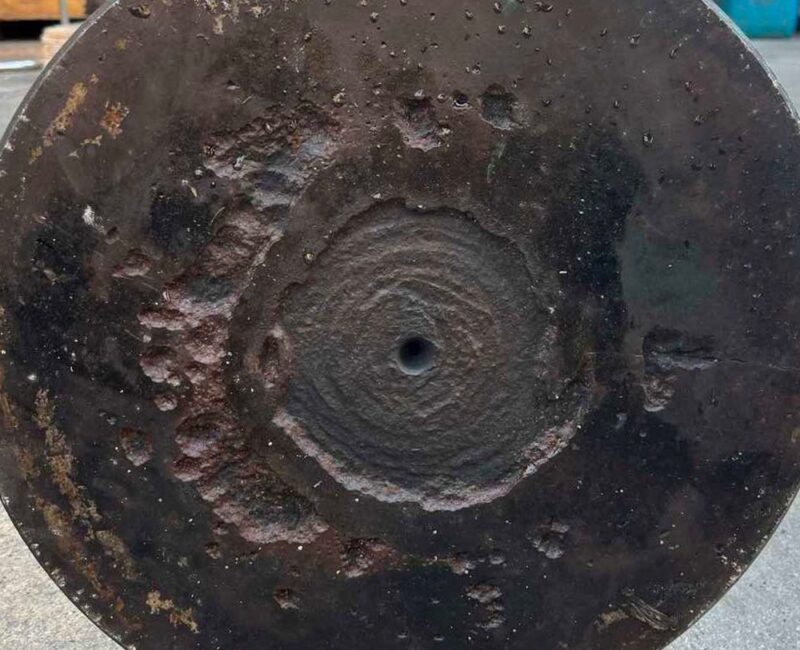
All KIMI-reconditioned exhaust valves strictly follow manufacturer instructions, including MAN production specifications No. 07418864 & 05982268, focused on durability, reliability, and cost efficiency.
What we apply:
- Optical Emission Spectroscopy (OES) to identify previous incorrect or incompatible welding before repair
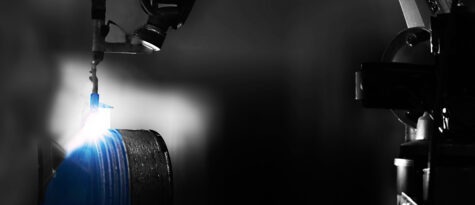
- AI-Controlled Robotic Welding, ensuring:
- Correct filler material selection
- Controlled heat input
- Uniform weld deposition
- Operator independent, fully automated
- Industry-leading cost efficiency
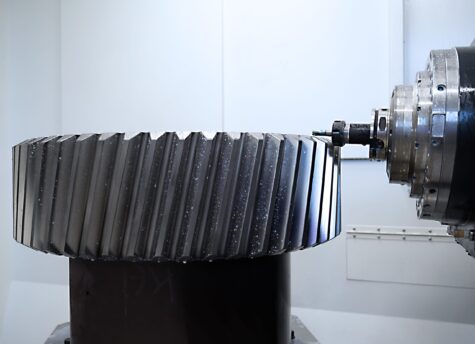
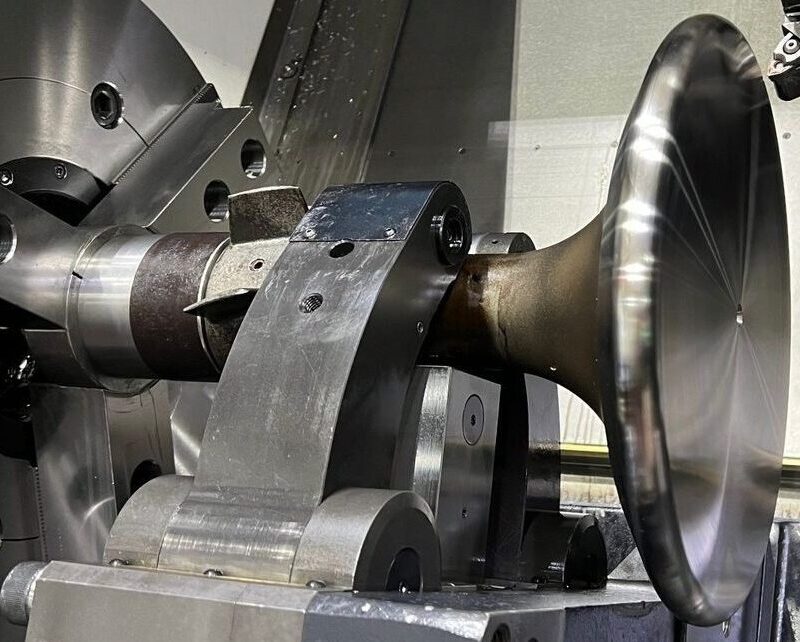
- CNC Machining to OEM Geometry
- Inspections Before, During and After Repair: Dye penetrant & ultrasonic testing by PCN Level II–certified personnel, followed by full dimensional verification
- Full traceability with unique valve ID and report
Customer Benefits

Industry’s Lowest Reconditioning Cost

Extended Exhaust Valve Lifetime

OEM Quality Level Compatibility