Crankshaft Machining & Annealing
High-Precision In-Situ Crankpin Machining to OEM Specifications
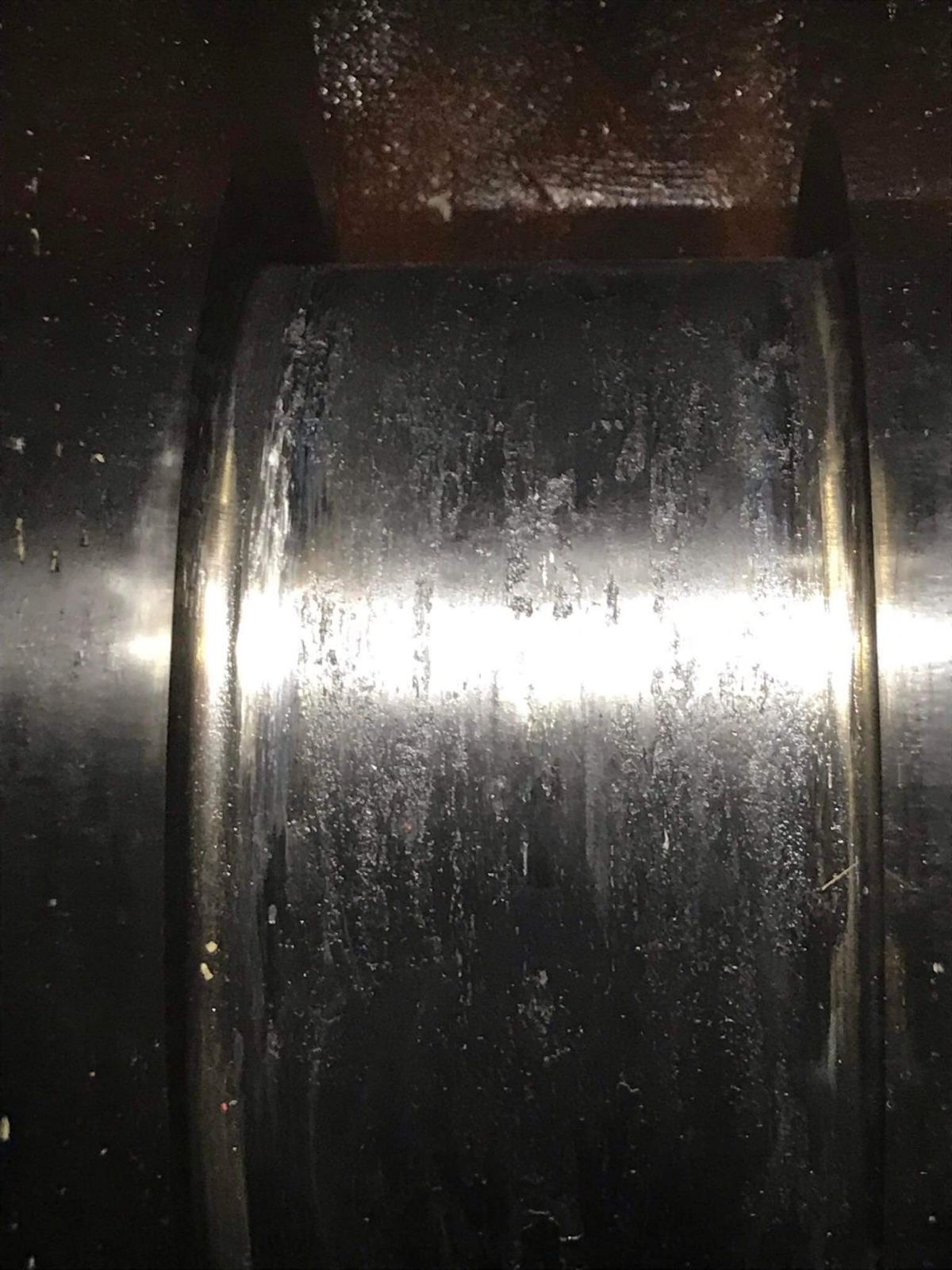
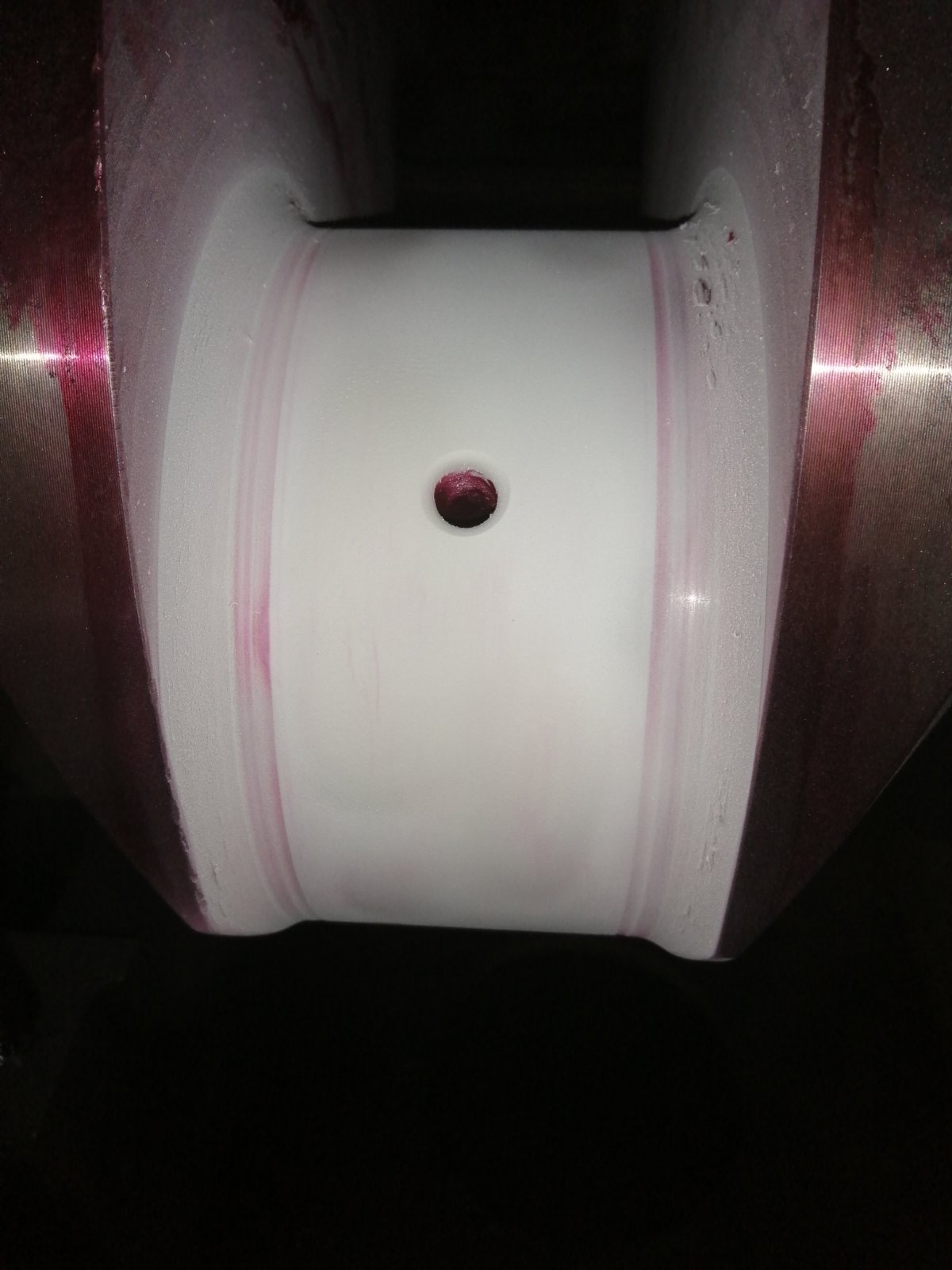
KIMI’s riding teams restore damaged crankpins directly onboard, eliminating the need for engine dismantling and significantly reducing downtime. Using advanced portable machining systems, we perform precision machining and grinding within a range of Ø135–600 mm, combined with induction annealing to restore crankpin geometry, surface finish, and hardness to OEM specifications. Our process includes metallurgical assessment and material identification, along with ISO 17025-certified hardness and surface roughness testing to ensure full compliance with required standards. All operations are supported by comprehensive NDT inspections (PT, MT, UT) carried out by Level II certified personnel, guaranteeing material integrity and class-compliant results.





Customer Benefits

Zero Engine Dismantling
Onboard repair without removal of crankshaft

Minimized Vessel Downtime
Fast in-situ execution reduces off-hire time

Significant Cost Savings
Avoids replacement and heavy logistics costs
In-Situ Crankpin Repair Process
Inspection & Measurement
Wear, ovality, cracks & hardness check
Machine Setup & Alignment
Installation and precise alignment of portable equipment
Precision Grinding
Restore diameter, geometry & surface finish
Induction Annealing - if required
Restore material hardness & properties
Final Inspection & Certification
Dimensional check, NDT & class documentation

News
FAQs
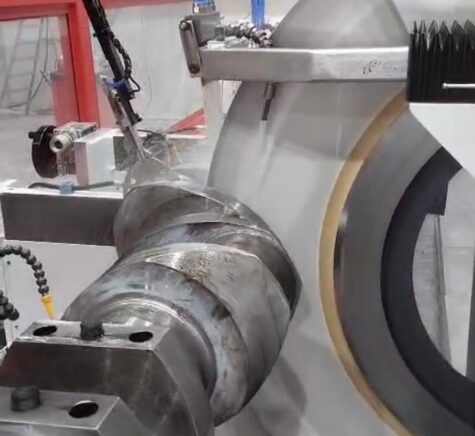
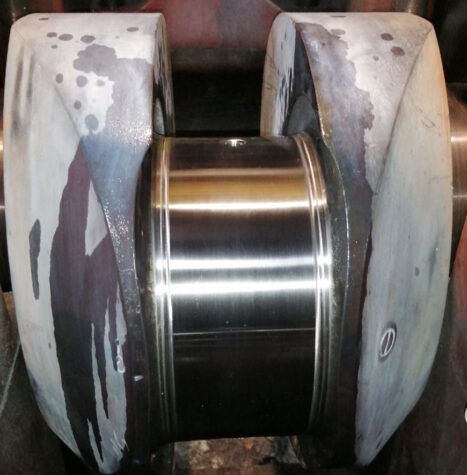
KIMI can repair worn or damaged crankpins, including scoring, ovality, taper wear, surface cracks, and hardness issues. The process includes precision grinding, induction annealing, and full NDT inspection to ensure reliable restoration.
KIMI has extensive experience working on a wide range of marine crankshafts across major engine makers. Our team has successfully completed in-situ grinding and machining on engines such as:
- Daihatsu Diesel DK series : DK20, DK22, DK28, DK32
- Yanmar engines:6EY22, 6EY28
- MAN Energy Solutions engines : L21/31, L23/30, L27/38, L28/32
- Wärtsilä engines: Wärtsilä 20, 26, 32
This broad experience enables KIMI to handle diverse crankshaft designs, sizes, and operational conditions, delivering OEM-compliant results across various 4-stroke marine engine types.
KIMI has in-house expert teams and continuously develops service capabilities. All operations are carried out by dedicated specialists—not subcontractors—ensuring full control, consistency, and quality at every stage.
With years of hands-on field experience, KIMI has developed and refined its in-situ machining services using advanced equipment, proven methodologies, and continuous technical improvement. This allows us to deliver reliable, OEM-compliant results across a broad range of crankshaft sizes and engine types.
Yes. KIMI provides complete repair solutions tailored to each case. Whenever possible, our expert teams perform in-situ crankshaft grinding onboard, minimizing downtime and avoiding engine dismantling.
If on-site repair is not feasible due to the extent of damage or operational constraints, crankshafts can be repaired in-house using advanced processes such as laser cladding, straightening, and precision grinding, with lengths up to 7 meters. This flexible approach ensures the most efficient, reliable, and cost-effective solution while restoring components to OEM specifications.