Steering Systems
Integrated Repair, Manufacturing & In-Situ Machining Solutions for Steering Systems
Operating under extreme loads, shocks, corrosion, misalignment, and continuous hydrodynamic forces, steering gear and rudder components are highly susceptible to wear, fatigue cracking, deformation, and bearing deterioration. If left unaddressed, these failures can result in vibration, steering inaccuracies, abnormal clearances, accelerated wear, and critical downtime.
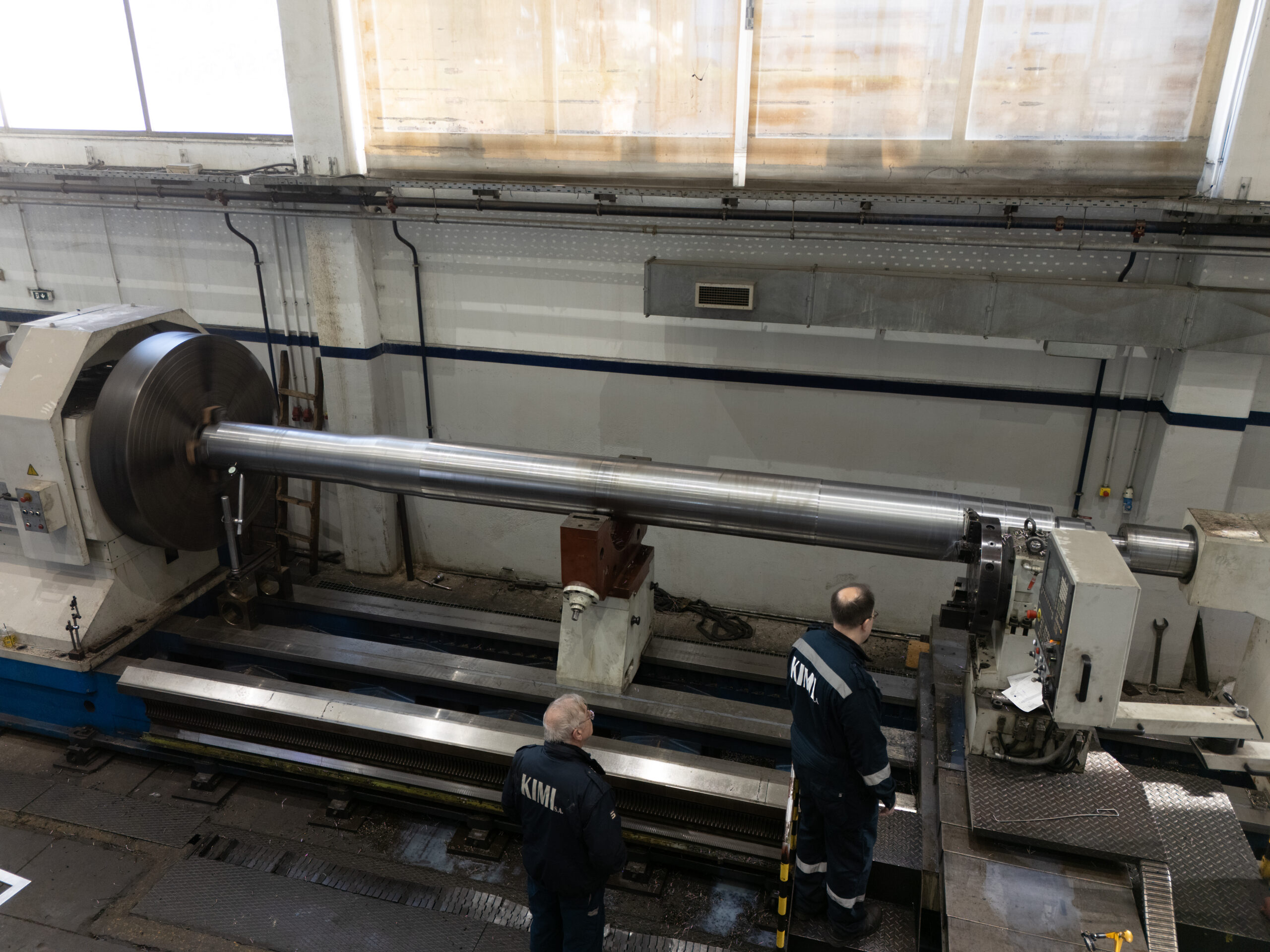
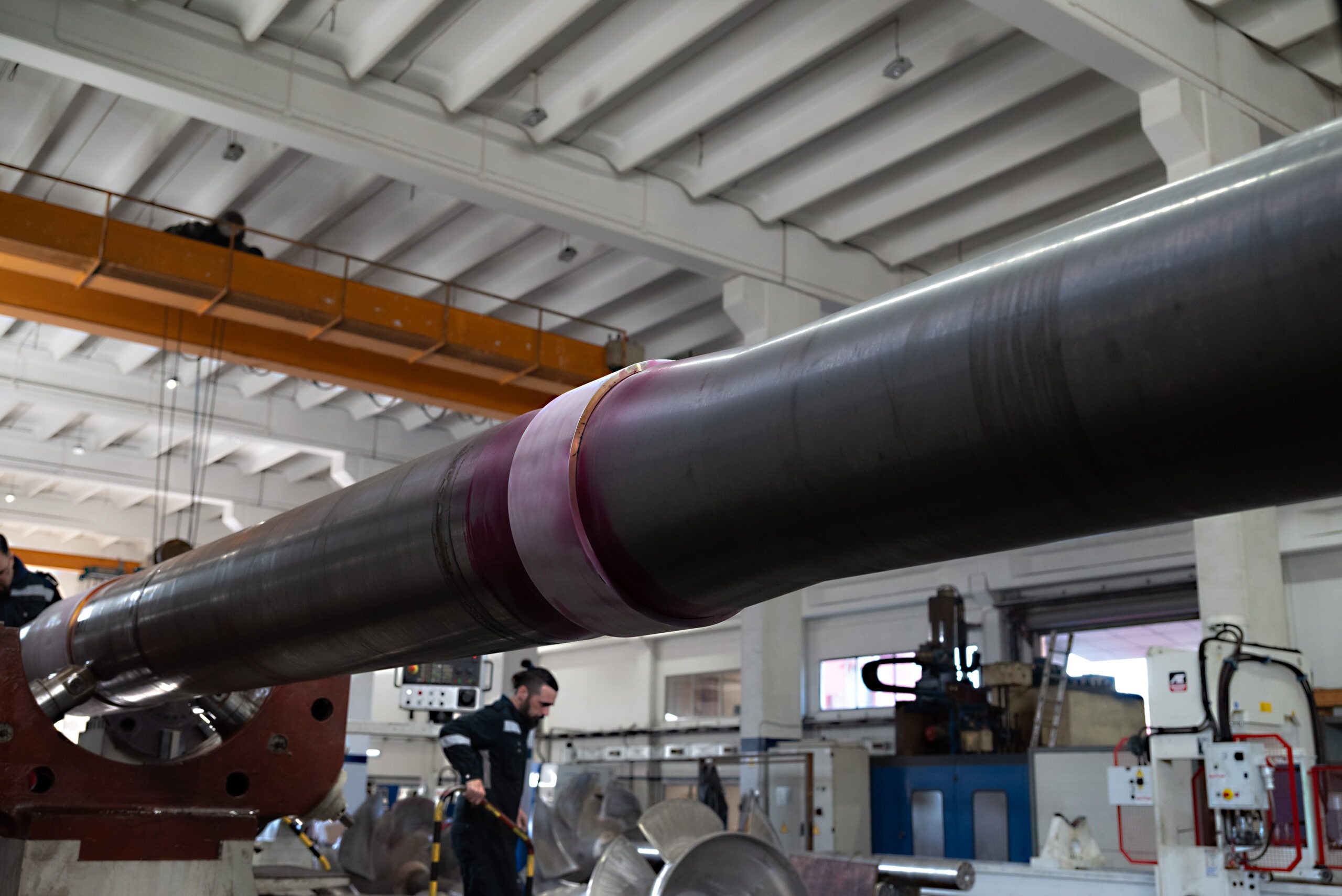
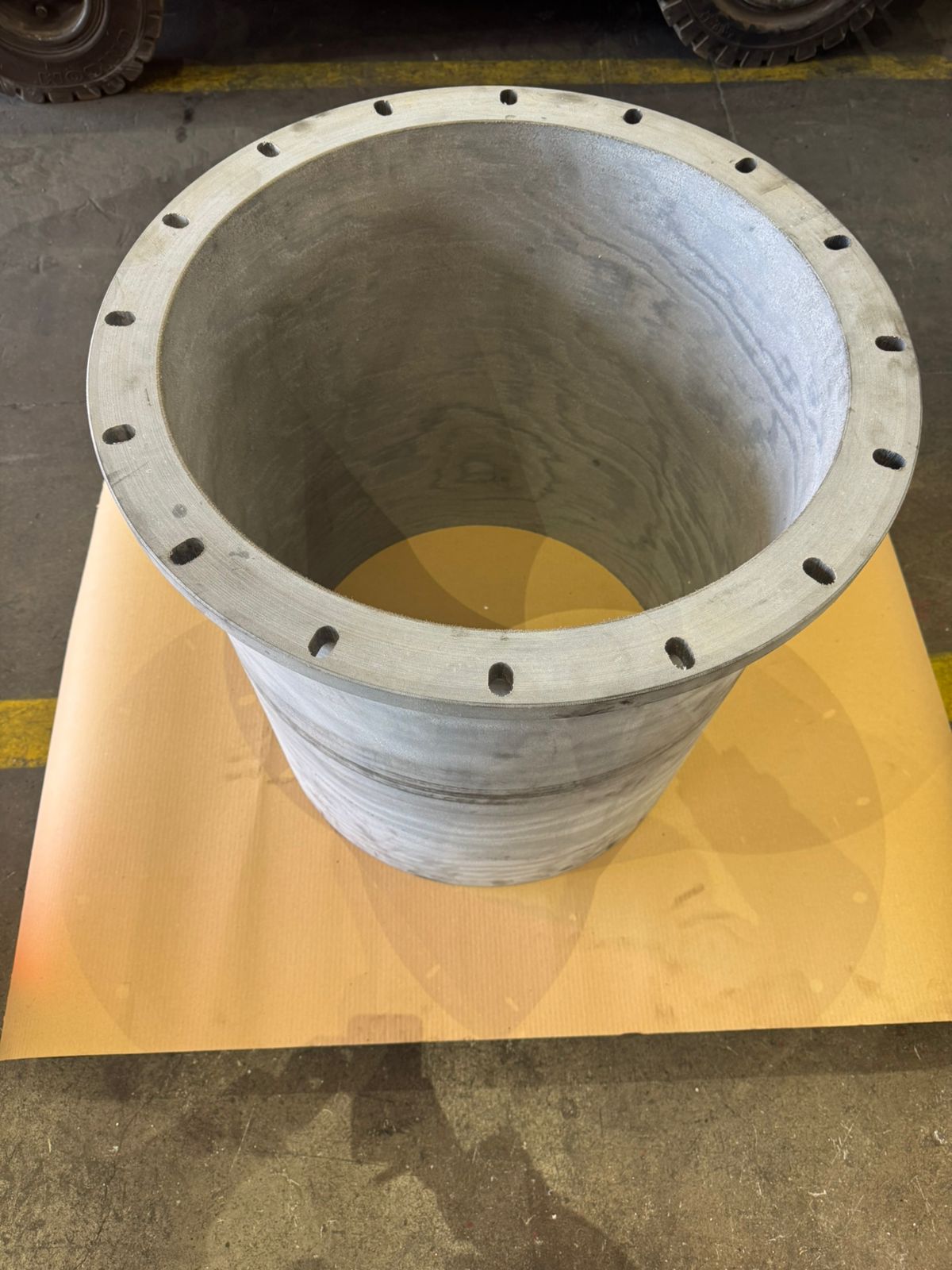
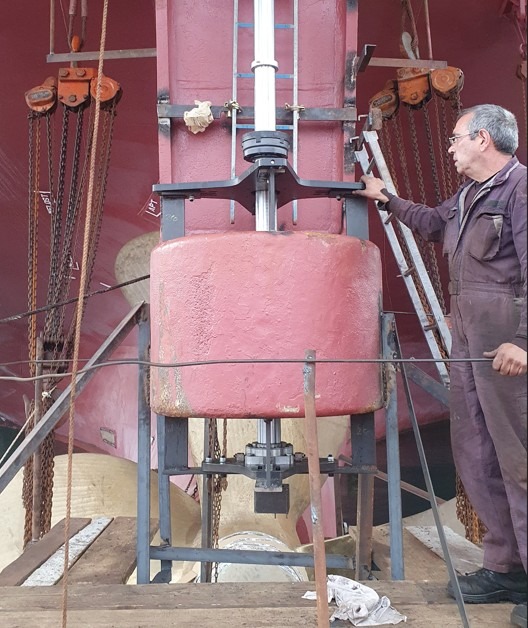
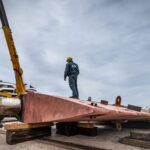
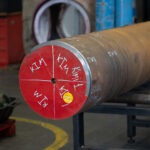
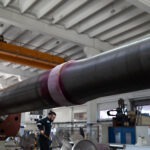
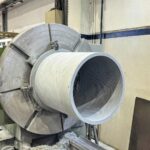
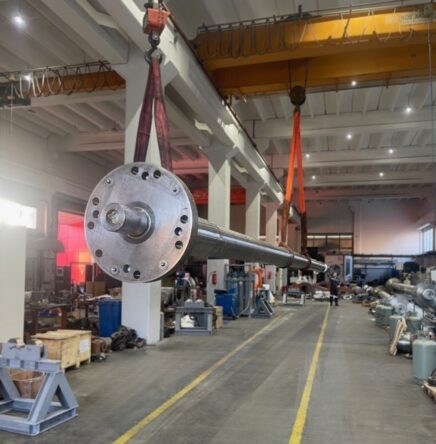
Through advanced reverse engineering at the KIMI Marine Shaft Center, we manufacture critical steering systems components, including rudder stocks exceeding 25 meters in length and 60 tons, when installed components are beyond repair or obsolete. Our teams also perform high-precision in-situ machining and onboard restoration, eliminating the need for component removal while restoring and aligning them to OEM requirements.
All projects follow strict quality assurance procedures supported by KIMI’s ESYD-accredited ISO/IEC 17025 laboratory, ensuring dimensional accuracy, material integrity, and full classification society compliance.






Customer Benefits

Reduced Vessel Downtime
Fast In-situ & In-house Repairs

Cost-Effective Repair Solutions
Avoid Costly Component Replacement

Class-Compliant Repairs
Reliable Steering Performance
Repair & Manufacturing Process
INITIAL INSPECTION & CONDITION ASSESSMENT
Condition is evaluated to determine scope and repair feasibility
NON-DESTRUCTIVE TESTING (NDT)
UT, DPT and MPI are performed to detect surface and subsurface defects.
DAMAGE EVALUATION & PLANNING
Findings are assessed to define a repair or manufacturing strategy.
DIMENSIONAL RESTORATION
Geometry is restored through laser cladding, welding, build-up, or precision machining
COMPONENT MANUFACTURING
New parts are produced using reverse engineering when required
FINAL INSPECTION & QUALITY CONTROL
Verification ensures compliance with OEM standards and IACS class requirements
IN-SITU MACHINING
Critical areas are machined on-site to restore required tolerances
INSTALLATION & ALIGNMENT ONBOARD
Systems are installed and laser aligned to ensure proper operation
CLASS DOCUMENTATION
All work is documented to ensure compliance with classification requirements (IACS)
Why Rely on KIMI
Steering Systems Repaired
In-Situ Machining Operations Performed
Rudder Capacity
View more services
FAQs
KIMI provides comprehensive repair and overhauling services for steering gear systems, rudder stocks, tillers (rudder arms), pintles (hinge pins), and associated components. With over 40 years of experience, we handle everything from minor wear to major structural damage, ensuring reliable steering performance and safety.
When components are worn beyond repair or unavailable within acceptable lead times, KIMI can manufacture new rudder and steering components, including rudder stocks exceeding 12 meters in length and up to 40 tons in weight. Our reverse engineering capabilities ensure full compatibility with OEM and class requirements.
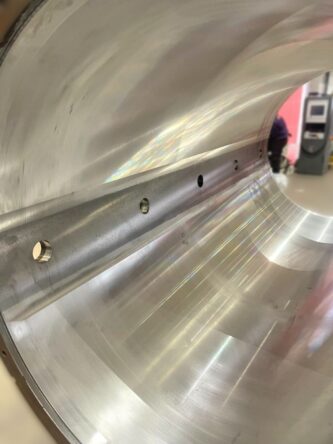
Yes. KIMI specializes in high-precision in-situ machining, including the machining of bores in critical areas such as the rudder horn, pintle housings, bushings, and bearing seats.
Using advanced portable equipment, we accurately machine and restore these areas directly onboard, without the need for dismantling or removal. This ensures correct alignment and tolerances while significantly reducing vessel downtime and repair costs.
All projects follow strict Quality Assurance procedures, supported by our in-house ESYD ISO/IEC 17025 accredited laboratory for precise measurements and testing. Combined with NDT inspections (UT, DPT, MPI where required) and full documentation, this ensures compliance with classification society requirements and reliable long-term performance.